

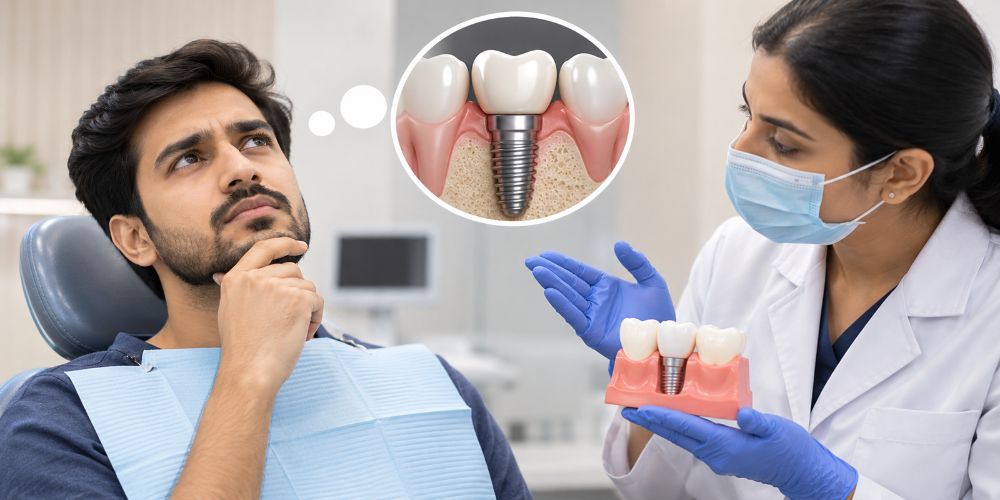
Losing a tooth can affect more than just your smile. It may make chewing uncomfortable, change the way you speak, and reduce your confidence. Dental implants offer a long-term tooth replacement option by providing support for an artificial tooth that looks and functions much like a natural one. However, one question often comes to mind before choosing this treatment: Is dental implant surgery painful?
The thought of undergoing oral surgery can make patients nervous, especially if they have never had a dental procedure before. The good news is that dental implant surgery is generally performed under local anaesthesia, which helps minimise pain during the procedure. You may experience some pressure or vibration, but sharp pain should not be expected when anaesthesia is working effectively.
After the procedure, mild to moderate discomfort, swelling, and tenderness can occur as part of the normal healing process. These symptoms usually improve gradually with proper aftercare and guidance from your dentist.
At Dr. Gupta’s Dental Implant and Orthodontic Centre, patients can receive personalised guidance about tooth replacement options, the implant procedure, recovery, and oral hygiene.
Let’s understand what dental implant surgery feels like, how painful recovery can be, and what you can do to make the healing process more comfortable.
What Are Dental Implants?
Dental implants are small, biocompatible posts, usually made of titanium, that are placed into the jawbone to replace the roots of missing teeth. Once the implant integrates with the surrounding bone, it provides a stable foundation for a dental crown, bridge, or denture.
Unlike removable dentures, dental implants are designed to remain fixed in the mouth. They can help restore chewing ability, improve appearance, and support the replacement of missing teeth.
A typical dental implant restoration involves three main components:
- Implant fixture: A small post placed inside the jawbone to act as an artificial tooth root.
- Abutment: A connector that attaches the replacement tooth to the implant.
- Dental crown: The visible artificial tooth designed to restore the appearance and function of the missing tooth.
Patients considering dental implants in Gurgaon should undergo a proper dental examination to determine whether implant treatment is suitable for their oral health and jawbone condition.
Is Dental Implant Surgery Painful?
For most patients, dental implant surgery is not painful during the procedure because local anaesthesia is used to numb the treatment area. This prevents pain signals from being felt during the surgical placement of the implant.
You may notice sensations such as:
- Mild pressure while the implant site is prepared.
- Vibrations from dental instruments.
- Slight movement or pulling sensations.
- Sounds associated with the dental equipment.
These sensations are generally normal and do not necessarily indicate pain.
Once the anaesthesia wears off, you may experience some soreness or tenderness around the implant site. The intensity varies from person to person and depends on factors such as the number of implants placed, the complexity of the procedure, individual pain tolerance, and whether additional procedures are required.
The important thing to remember is that dental implant surgery is usually manageable with appropriate anaesthesia, post-operative instructions, and prescribed pain relief when necessary.
What Happens During Dental Implant Surgery?
Understanding each stage of the procedure can help reduce anxiety and prepare you for treatment.
1. Initial Dental Consultation
The process begins with a detailed examination of your teeth, gums, and jawbone. Your dentist may recommend dental X-rays or a CBCT scan to assess bone quality, available space, and important anatomical structures.
Your medical and dental history is also reviewed to identify factors that may affect healing.
2. Local Anaesthesia
Before beginning surgery, the dentist administers local anaesthesia to numb the treatment area. This helps prevent pain during implant placement.
If you feel anxious about dental treatment, discuss your concerns with your dentist before the procedure. Suitable anxiety-management options can be considered based on your clinical needs.
3. Implant Placement
A small opening is made in the gum tissue to access the jawbone. A carefully planned space is prepared, and the implant fixture is placed into the bone.
You may feel pressure or vibration during this stage, but the anaesthetised area should not produce sharp pain.
4. Gum Closure and Healing
Depending on the treatment plan, the gum tissue may be closed with stitches. In some cases, the implant may be left beneath the gum during the initial healing period.
Over the following weeks or months, a biological process called osseointegration takes place. During this process, the jawbone gradually bonds with the implant surface, helping create a stable foundation for the replacement tooth.
5. Placement of the Artificial Tooth
After sufficient healing, the dentist attaches the abutment and dental crown according to the treatment plan. The final restoration is adjusted to provide suitable comfort, appearance, and bite function.
How Much Pain Can You Expect After Dental Implant Surgery?
Some discomfort after implant surgery is normal. However, the amount of pain differs between patients.
Here is what you may experience during recovery:
| Recovery Stage | What You May Experience |
| First few hours | Numbness as the anaesthesia gradually wears off |
| First 24 hours | Mild to moderate soreness, tenderness, and possible swelling |
| 2 to 3 days | Swelling or discomfort may be more noticeable |
| 4 to 7 days | Symptoms generally begin to improve |
| Following weeks | The surgical area continues to heal internally |
These are general expectations, not a guaranteed recovery timeline. Healing can take longer depending on the complexity of surgery and individual health conditions.
If pain becomes severe, increases instead of improving, or is accompanied by fever, pus, or worsening swelling, contact your dentist promptly.
Factors That Can Affect Pain During and After Dental Implant Surgery
Not every patient experiences the same level of discomfort. Several factors can influence how you feel during recovery.
1. Number of Implants
Placing a single dental implant may involve less surgical work than replacing several missing teeth. Multiple implants can sometimes lead to more post-operative soreness.
2. Bone Grafting Requirements
Patients with insufficient jawbone volume may require bone grafting before or during implant placement. This additional procedure can increase post-operative swelling and discomfort.
3. Individual Pain Sensitivity
Every person has a different pain threshold. Some patients experience only mild soreness, while others may need additional pain management.
4. Oral Health Condition
Existing gum inflammation, infection, or other oral health problems may affect treatment planning and healing. These conditions should be assessed and managed before implant placement when necessary.
5. Overall Health and Lifestyle
Certain medical conditions, medications, smoking, and tobacco use can influence healing. Patients should share their complete medical history and current medication details with their dentist.
How to Manage Pain After Dental Implant Surgery
Following your dentist’s post-operative instructions can help reduce discomfort and support healing.
Here are some practical steps to consider:
Take Prescribed Medication
Your dentist may recommend suitable pain-relief medication depending on your medical history and surgical procedure. Take medicines only as directed. Avoid starting antibiotics or painkillers without professional advice.
Apply a Cold Compress
A cold compress applied externally to the cheek near the surgical area may help reduce swelling during the initial recovery period. Follow your dentist’s instructions regarding application intervals.
Choose Soft Foods
For the first few days, choose foods that require minimal chewing. Suitable options may include:
- Soft rice or khichdi.
- Mashed potatoes.
- Yogurt.
- Smooth soups that are not too hot.
- Scrambled eggs.
- Soft-cooked vegetables.
Avoid hard, crunchy, sticky, and very hot foods until your dentist advises that they are safe.
Maintain Oral Hygiene
Keeping your mouth clean is important for preventing infection. Brush your other teeth gently and follow your dentist’s instructions for cleaning around the surgical area.
Avoid directly disturbing the wound or stitches.
Avoid Smoking and Tobacco
Smoking and tobacco use can interfere with healing and may increase the risk of implant complications. Avoid these products during recovery and discuss long-term cessation with your healthcare provider.
Get Adequate Rest
Avoid strenuous exercise and heavy physical activity immediately after surgery. Allow your body sufficient time to recover, following your dentist’s advice.
Is Dental Implant Recovery More Painful Than Tooth Extraction?
Many patients compare implant surgery with tooth extraction because both procedures involve treatment of the jawbone and surrounding gum tissue.
However, the level of discomfort depends on the complexity of each procedure.
A straightforward tooth extraction may involve less surgical work than an implant procedure that requires bone grafting. On the other hand, some implant placements are relatively uncomplicated and may involve manageable post-operative soreness.
Therefore, it is not accurate to say that dental implants are always more painful or less painful than tooth extraction.
Your dentist can explain what to expect based on your individual treatment plan.
When Should You Contact Your Dentist After Implant Surgery?
Mild swelling, tenderness, and minor bleeding can occur after surgery. However, certain symptoms should not be ignored.
Contact your dentist if you experience:
- Severe or increasing pain that does not improve with prescribed medication.
- Persistent or excessive bleeding.
- Increasing swelling after the initial recovery period.
- Fever or chills.
- Pus or discharge around the implant site.
- A bad taste or persistent unpleasant smell accompanied by other symptoms.
- Difficulty swallowing or breathing.
Difficulty breathing or swallowing requires immediate emergency medical attention.
Early assessment can help identify complications and determine whether additional treatment is needed.
Who Is a Suitable Candidate for Dental Implants?
Dental implants may be suitable for adults who have one or more missing teeth and want a fixed replacement option. However, suitability depends on several clinical factors.
A dentist may evaluate:
- Jawbone volume and density.
- Gum health.
- Overall oral hygiene.
- General health conditions.
- Smoking and tobacco habits.
- Medication history.
- Ability to maintain regular dental follow-ups.
Patients with uncontrolled diabetes, active gum disease, certain medical conditions, or inadequate bone support may require additional assessment or treatment before implant placement.
A detailed consultation helps determine whether implants are an appropriate option or whether an alternative tooth replacement method would be more suitable.
Why Choose Professional Guidance for Dental Implants in Gurgaon?
Choosing dental implants is an important decision that requires careful planning and professional evaluation. The success of treatment depends on factors such as diagnosis, surgical planning, implant positioning, oral hygiene, and long-term maintenance.
At Dr. Gupta’s Dental Implant and Orthodontic Centre, patients can discuss their missing teeth concerns, understand available treatment options, and receive guidance based on their individual dental needs.
Before proceeding with treatment, consider discussing the following with your dentist:
- Whether you are suitable for dental implant surgery.
- Whether bone grafting or other preparatory treatment is required.
- What type of anaesthesia will be used.
- How long the healing process may take.
- What the expected treatment costs involve.
- What follow-up visits and maintenance will be necessary.
A personalised treatment plan helps patients make informed decisions and understand what to expect at every stage.
Frequently Asked Questions About Dental Implant Surgery
1. Does dental implant surgery hurt during the procedure?
Dental implant surgery is generally performed under local anaesthesia, which numbs the treatment area. You may feel pressure or vibrations, but sharp pain should not occur when the anaesthesia is effective. Inform your dentist immediately if you feel pain.
2. How long does pain last after dental implant surgery?
Most patients experience some discomfort during the first few days, with symptoms generally improving gradually. Recovery varies depending on the complexity of surgery, individual healing, and whether bone grafting was required.
3. Is dental implant surgery performed under general anaesthesia?
Most routine dental implant procedures are performed under local anaesthesia. Sedation or general anaesthesia may be considered in selected cases depending on the patient’s needs, medical condition, and treatment complexity.
4. Can I go to work the day after dental implant surgery?
Some patients can return to normal activities within a day, particularly after uncomplicated implant placement. However, others may need additional rest. Your dentist can advise you based on the extent of surgery and your recovery.
5. What foods should I avoid after dental implant surgery?
Avoid hard, crunchy, sticky, and very hot foods during the initial healing period. Choose soft foods and follow your dentist’s dietary recommendations to protect the surgical area.
6. Are dental implants worth considering for missing teeth?
Dental implants can provide a fixed tooth replacement option and help restore chewing function and appearance. However, they involve surgery, healing time, maintenance, and costs. Your dentist can explain their benefits, risks, and alternatives before you make a decision.
7. How long does it take for a dental implant to heal?
Initial gum healing generally takes a few weeks, while osseointegration may take several months. The exact duration depends on bone quality, implant location, overall health, and whether additional procedures are required.
Final Thoughts
So, is dental implant surgery painful? For most patients, the procedure itself is not painful because local anaesthesia is used to numb the treatment area. Some soreness, swelling, and tenderness may develop after surgery, but these symptoms are generally manageable with proper care and professional guidance.
Understanding the procedure, following post-operative instructions, and attending regular dental check-ups can help make your recovery smoother.
If you are considering Dental implants in Gurgaon, consult Dr. Gupta’s Dental Implant and Orthodontic Centre to understand your treatment options and find out whether dental implants are suitable for your dental needs.
Medically Reviewed By:
Dr. Ankur Gupta
BDS, MDS-Orthodontics
Haryana Dental Council Registration No. 1378A
Dr. Ankita Gupta
BDS, Implantologist
Haryana Dental Council Registration No. 2546A