

Dental Implants: What to Expect Before, During and After Treatment
Missing teeth can affect more than just your smile. They can make chewing difficult, change the way you speak, and sometimes affect your confidence. Fortunately, modern dentistry offers reliable solutions for replacing missing teeth, and dental implants are one of the most effective long-term options.
If you are considering Dental Implants in Gurgaon, understanding what happens before, during, and after treatment can help you make an informed decision. At Gupta Dental Clinic, patients can receive personalized guidance based on their oral health, bone condition, and individual treatment needs.
What Are Dental Implants?
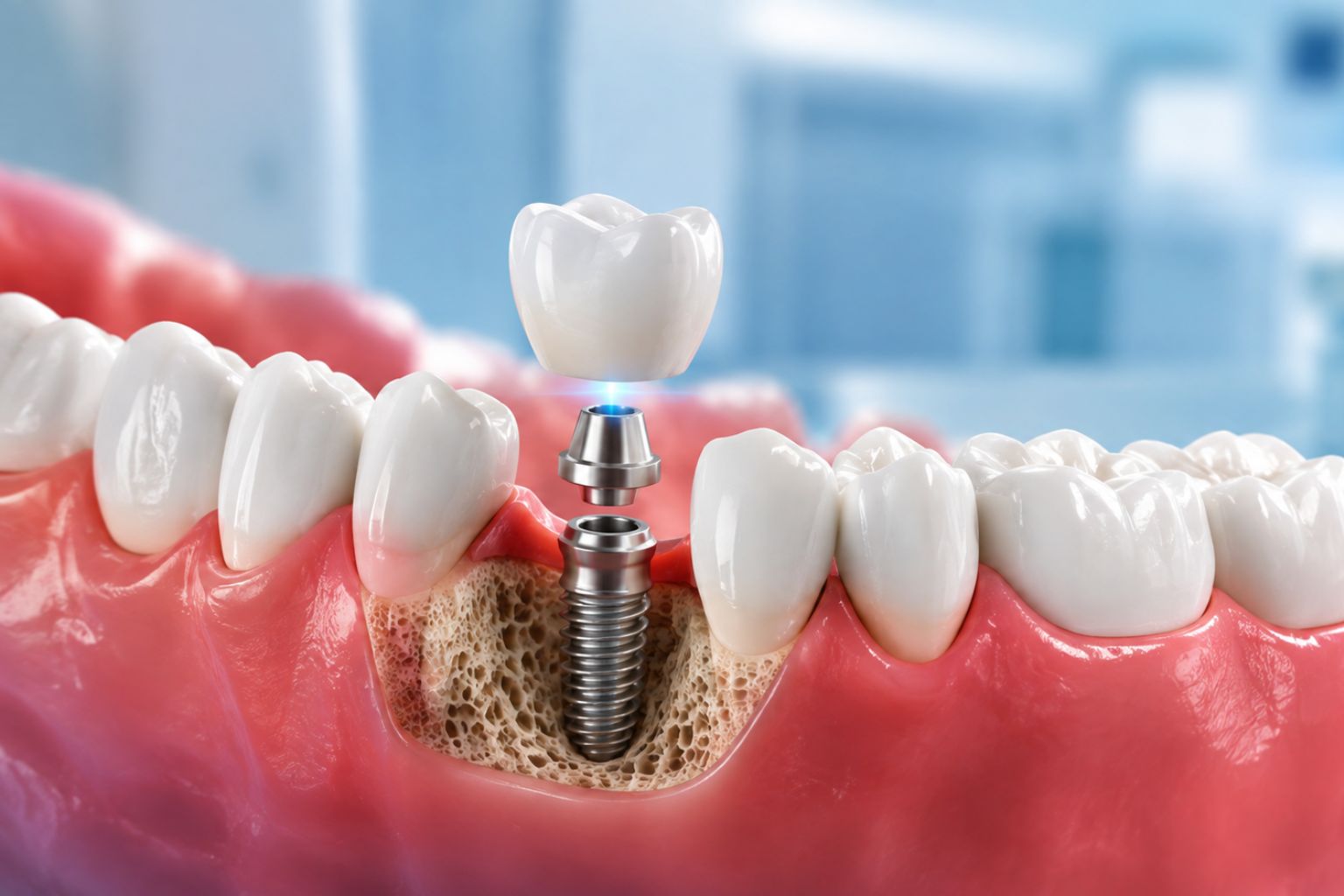
Dental implants are artificial tooth roots designed to support replacement teeth such as crowns, bridges, or dentures. A dental implant is typically made from a biocompatible material and is placed into the jawbone.
Once the implant heals and becomes stable, a dental crown can be attached to restore the appearance and function of the missing tooth.
Unlike removable dentures, implants are designed to provide a fixed solution and can closely resemble the look and function of natural teeth when properly planned and maintained.
Who May Need Dental Implants?
Dental implants may be considered for people who have:
- One or more missing teeth
- Teeth that cannot be saved through other treatments
- Difficulty chewing because of missing teeth
- A desire for a fixed alternative to removable dentures
- Sufficient jawbone to support an implant, or who may be suitable for bone-building procedures
However, not everyone is an immediate candidate for implant treatment. A dentist needs to evaluate your teeth, gums, jawbone, and overall oral health before recommending the procedure.
Before Dental Implant Treatment: What to Expect
The first stage is a detailed dental evaluation. Your dentist may examine your teeth and gums and recommend dental X-rays or 3D imaging to understand the condition of the jawbone and surrounding structures.
1. Dental Examination
Your dentist will assess:
- The location and number of missing teeth
- Gum health
- Jawbone density and volume
- Bite and alignment
- The condition of nearby teeth
- Any existing dental infections or other oral health concerns
2. Personalized Treatment Planning
Every implant case is different. Your dentist will explain the recommended treatment approach, expected timeline, restoration options, and aftercare requirements.
If there is not enough bone to support an implant, additional procedures may sometimes be considered before implant placement.
3. Discuss Your Medical and Dental History
Be sure to tell your dentist about your medications, existing medical conditions, allergies, previous dental procedures, and any concerns you have about treatment. This information helps your dental team plan treatment safely.
During the Dental Implant Procedure
The implant procedure is generally performed under local anesthesia, so the treatment area is numbed to help keep you comfortable.
Step 1: Implant Placement
The dentist carefully places the implant into the jawbone at the planned location. The surgical site is then closed and allowed to heal.
Step 2: Healing and Osseointegration
After placement, the implant needs time to integrate with the surrounding bone. This process is called osseointegration.
The healing period varies from patient to patient and depends on factors such as bone condition, implant location, and the complexity of treatment.
Step 3: Attaching the Restoration
Once the implant has sufficiently healed and is stable, an abutment may be connected to the implant. A custom-made dental crown, bridge, or another restoration can then be placed.
The final restoration is designed to restore your ability to chew while matching the surrounding teeth as closely as possible.
What to Expect After Dental Implant Treatment
Some temporary discomfort, swelling, or tenderness can occur after implant surgery. Your dentist will provide specific instructions based on your procedure.
Follow Your Dentist’s Aftercare Instructions
Good aftercare supports healing. Depending on your treatment, your dentist may recommend:
- Keeping the surgical area clean as instructed
- Eating softer foods during the initial healing period
- Avoiding unnecessary pressure on the treatment area
- Taking prescribed or recommended medication as directed
- Avoiding smoking or tobacco products, particularly during healing
- Attending scheduled follow-up appointments
Do not hesitate to contact your dentist if you experience unusual or worsening symptoms.
How Long Do Dental Implants Last?
Dental implants are designed as a long-term tooth replacement option. Their longevity depends on several factors, including oral hygiene, gum health, lifestyle habits, the quality of the restoration, and regular dental check-ups.
Although the implant itself can be highly durable, the surrounding gums and bone still require proper care. Daily brushing, flossing, professional cleanings, and regular dental examinations are important for maintaining your oral health.
Benefits of Dental Implants
When appropriately planned and maintained, dental implants can offer several benefits:
- Fixed replacement for missing teeth
- Natural-looking appearance
- Improved chewing ability
- Support for surrounding oral structures
- No need to remove the replacement tooth for routine daily use
- Potentially long-lasting results with proper care
The suitability and expected outcome of treatment vary from patient to patient, so a professional dental assessment is important.
Why Choose Gupta Dental Clinic for Dental Implants?
Choosing an implant dentist is an important decision. Treatment should begin with a thorough diagnosis and a clear understanding of your individual needs.
At Gupta Dental Clinic, dental implant treatment focuses on careful evaluation, personalized planning, appropriate implant placement, and guidance throughout the treatment and recovery process.
If you are searching for the Best Dental Implants in Gurgaon, focus on the quality of diagnosis, treatment planning, clinical expertise, hygiene standards, technology, and long-term follow-up rather than choosing a clinic based only on price.
Are Dental Implants Better Than Dentures or Bridges?
There is no single tooth replacement option that is best for every patient.
Dentures can be useful for replacing multiple missing teeth, while dental bridges may be suitable in certain situations. Dental implants offer a fixed option and do not generally require the neighboring teeth to be prepared in the same way a traditional bridge does.
Your dentist can compare the available options based on your oral health, number of missing teeth, bone condition, budget, and personal preferences.
How Can You Maintain Your Dental Implants?
Taking care of dental implants is similar to maintaining natural teeth in many ways.
Follow these habits:
- Brush your teeth twice a day.
- Clean between your teeth regularly.
- Follow your dentist’s recommendations for implant cleaning.
- Visit your dentist for regular examinations.
- Avoid tobacco and smoking.
- Do not ignore bleeding gums, swelling, or persistent discomfort.
Good oral hygiene helps protect the tissues surrounding your implant and supports long-term oral health.
Frequently Asked Questions About Dental Implants
1. Are dental implants painful?
The implant placement procedure is performed with anesthesia to keep the treatment area numb. Some discomfort, swelling, or tenderness may occur during the initial healing period.
2. How long does dental implant treatment take?
The overall timeline varies depending on the patient’s oral health, bone condition, number of implants, and whether additional procedures are required. Your dentist can provide a more accurate timeline after examination.
3. Can anyone get dental implants?
Many adults may be suitable candidates, but an examination is necessary. Gum disease, inadequate bone volume, certain medical factors, and lifestyle habits may affect treatment suitability.
4. Are dental implants permanent?
Dental implants are designed to be a long-term solution. However, their lifespan depends on oral hygiene, gum health, lifestyle, implant care, and regular dental follow-up.
5. How should I care for dental implants?
Brush twice daily, clean between your teeth, follow your dentist’s instructions, attend regular check-ups, and avoid habits that can negatively affect oral health.
6. How much do dental implants cost in Gurgaon?
The cost varies depending on the number of implants, type of restoration, implant system used, bone condition, and whether additional procedures are required. A dental examination is necessary to provide an individualized treatment estimate.
Final Thoughts
Dental implants can provide a reliable and natural-looking way to replace missing teeth when the treatment is appropriately planned and maintained. Knowing what to expect before, during, and after treatment can make the process easier and help you prepare for recovery.
If you are considering Dental Implants in Gurgaon, consult a qualified dental professional for a complete evaluation rather than relying on general information alone. Gupta Dental Clinic can assess your oral health and help you understand whether dental implants are suitable for your specific needs.
Book a dental consultation with Gupta Dental Clinic to discuss your tooth replacement options and create a treatment plan tailored to your smile.