

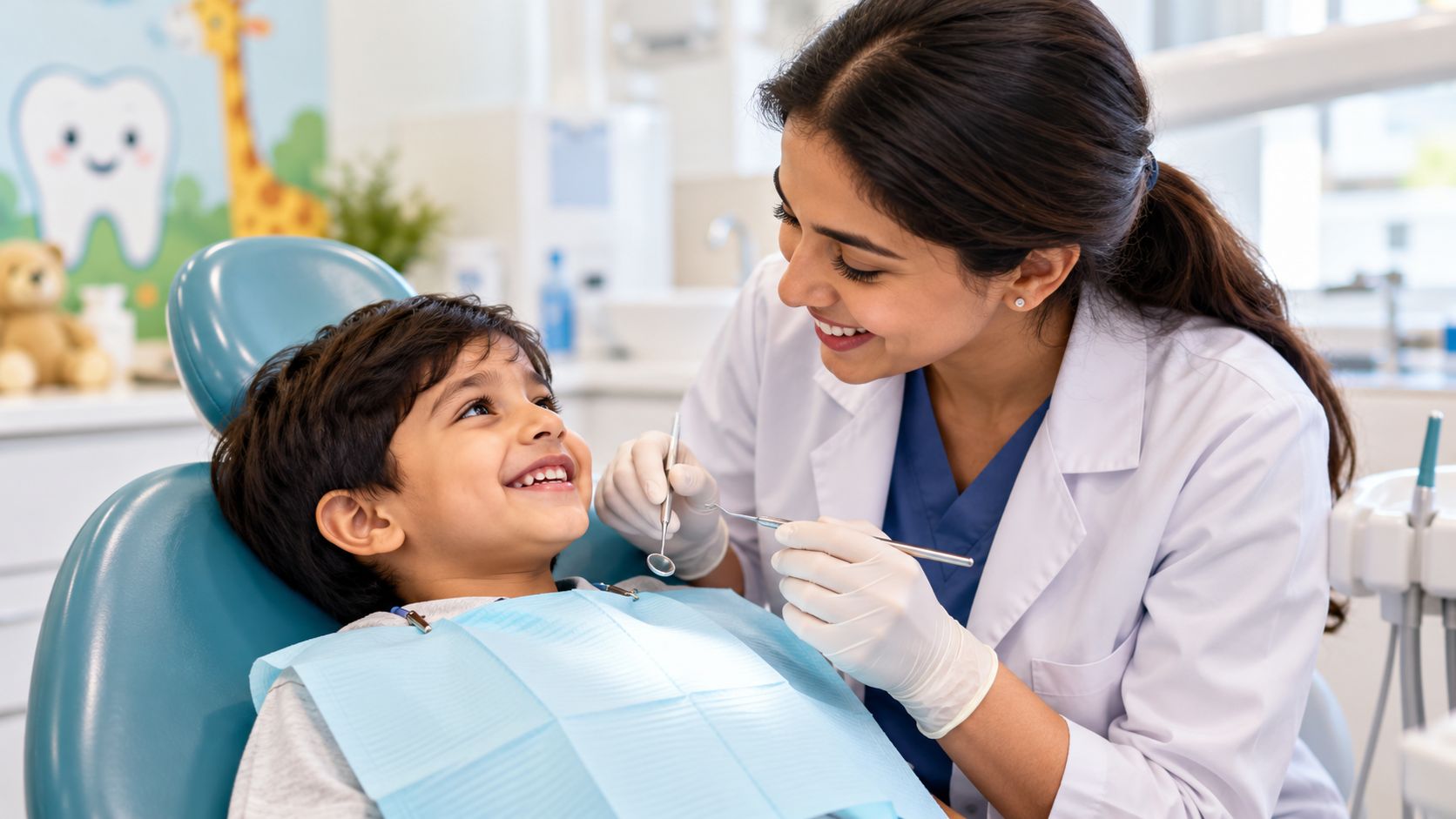
Why Is a Kids Dentist Important? Benefits of Pediatric Dental Care
A child’s smile is constantly changing. From the eruption of the first baby tooth to the development of permanent teeth, childhood is an important period for establishing healthy oral habits and preventing dental problems.
Many parents assume that baby teeth do not require extensive dental care because they eventually fall out. However, healthy primary teeth play an important role in chewing, speech development, facial growth, and maintaining space for permanent teeth.
Choosing the right Kids dentist in Gurgaon can help children develop positive dental habits while allowing potential problems to be identified and treated early.
At Gupta Dental Clinic, pediatric dental care focuses on creating a comfortable, child-friendly experience while supporting healthy teeth and gums at every stage of childhood.
What Is Pediatric Dental Care?
Pediatric dental care is dental care specifically designed around the needs of infants, children, and adolescents. It includes preventive care, routine examinations, dental hygiene guidance, treatment of common childhood dental problems, and monitoring of oral development.
Children are not simply small adults. Their teeth, jaws, oral habits, emotional needs, and stages of development are different. A dentist who regularly treats children can adapt communication, examination techniques, and treatment approaches according to the child’s age and comfort level.
Pediatric dental care may include:
- Routine dental examinations
- Professional teeth cleaning
- Fluoride treatments when appropriate
- Dental sealants
- Cavity prevention and treatment
- Management of dental trauma
- Monitoring tooth eruption
- Guidance on brushing and flossing
- Dietary and oral hygiene advice
- Assessment of oral habits
- Monitoring jaw and bite development
- Early identification of orthodontic concerns
Why Is a Kids Dentist Important?
Regular visits to a kids dentist are about more than treating cavities. They help establish a foundation for lifelong oral health.
1. Early Detection of Dental Problems
Children can develop cavities, gum problems, enamel defects, tooth eruption issues, and bite-related concerns even when there are no obvious symptoms.
Regular dental examinations allow these problems to be detected at an early stage.
Early detection can often mean simpler treatment and may help prevent a small dental problem from becoming more complicated.
For example, an early cavity may be manageable with relatively straightforward treatment, while an untreated cavity can progress deeper into the tooth and potentially cause pain, infection, or damage to the developing permanent tooth.
2. Helps Prevent Childhood Cavities
Dental caries is one of the most common oral health concerns among children. Frequent snacking, sugary drinks, inadequate brushing, plaque accumulation, and certain dietary habits can increase the risk of tooth decay.
A Kids dentist in Gurgaon can help parents understand their child’s individual risk factors and recommend appropriate preventive strategies.
Depending on the child’s needs, preventive care may include:
- Fluoride application
- Dental sealants
- Professional cleaning
- Brushing and flossing guidance
- Dietary recommendations
- Regular dental monitoring
Prevention is particularly valuable because children may not always recognize or communicate early signs of dental problems.
3. Protects Baby Teeth
Baby teeth are temporary, but they are important.
Primary teeth help children:
- Chew food properly
- Develop clear speech
- Maintain space for permanent teeth
- Support normal jaw development
- Establish healthy oral hygiene habits
Premature loss of a baby tooth because of severe decay or infection can sometimes affect the positioning of neighboring teeth. Depending on the child’s age and the tooth involved, a dentist may recommend appropriate management to help maintain oral function and development.
This is why parents should not ignore cavities simply because a tooth will eventually be replaced.
4. Makes Dental Visits Less Scary
A child’s first experiences at the dentist can influence how they feel about dental care later in life.
A child-friendly dental environment, age-appropriate communication, patience, and positive reinforcement can make dental visits more comfortable.
Instead of focusing only on treatment, a good children’s dental experience should help the child become familiar with the dental environment gradually.
The goal is to help children understand that visiting the dentist is a normal part of staying healthy.
5. Teaches Children Proper Oral Hygiene
Children often need guidance to develop effective brushing and flossing techniques.
A dentist can demonstrate:
- How much toothpaste to use
- How long to brush
- How to reach difficult areas
- When flossing should begin
- How frequently teeth should be cleaned
- Which foods and drinks may increase cavity risk
Parents also play an important role. Younger children generally need supervision and assistance with brushing because they may not yet have the coordination required to clean every surface effectively.
6. Helps Monitor Tooth and Jaw Development
A child’s mouth changes significantly as they grow.
A dentist can monitor:
- The eruption of baby teeth
- The transition from primary to permanent teeth
- Spacing between teeth
- Crowding
- Bite development
- Jaw growth
- Oral habits
- Potential orthodontic concerns
Identifying certain developmental concerns early can allow parents to discuss whether monitoring, preventive measures, or orthodontic evaluation may be appropriate.
7. Can Help Manage Dental Emergencies
Children are active, and falls or sports-related accidents can sometimes result in dental injuries.
A chipped, fractured, displaced, or knocked-out tooth requires timely dental assessment.
Parents should contact a dentist as soon as possible after significant dental trauma. The appropriate response depends on whether the injured tooth is a baby tooth or permanent tooth and on the nature of the injury.
Having an established dental clinic can make it easier for parents to know where to seek advice when an unexpected dental problem occurs.
8. Provides Age-Appropriate Dental Care
A toddler, school-age child, and teenager have different dental needs.
For example:
Toddlers:
Focus may include establishing brushing routines, managing feeding-related habits, and introducing children to dental visits.
School-age children:
Preventive care, cavity management, oral hygiene education, fluoride, sealants, and monitoring permanent tooth eruption may become increasingly important.
Teenagers:
Dental care may involve increased attention to oral hygiene, orthodontic appliances, wisdom teeth, diet, sports-related dental protection, and maintaining healthy habits despite changing routines.
A personalized approach allows dental recommendations to change as the child grows.
When Should a Child First Visit the Dentist?
Parents often wait until a child develops a dental problem before scheduling the first appointment. However, the first dental visit is generally recommended by the child’s first birthday or within six months after the first tooth appears.
The purpose of an early visit is not necessarily extensive treatment. It provides an opportunity to:
- Examine the developing teeth and gums
- Discuss brushing practices
- Review feeding and dietary habits
- Identify early signs of tooth decay
- Discuss fluoride exposure
- Answer parents’ questions
- Help the child become familiar with dental care
Regular visits can then be planned according to the child’s oral health needs.
Signs Your Child May Need a Dental Check-Up
Some children may need to see a dentist sooner than their next routine appointment.
Parents should consider scheduling a dental evaluation if they notice:
- White, brown, or dark spots on teeth
- Tooth sensitivity
- Persistent bad breath
- Bleeding or swollen gums
- Toothache
- Difficulty chewing
- Facial or gum swelling
- Chipped or fractured teeth
- Loose teeth that are not expected to fall out
- Delayed or unusual tooth eruption
- Crowded or overlapping teeth
- Jaw discomfort
- Mouth breathing or persistent oral habits
Pain is not always present in the early stages of dental disease, so routine examinations remain important even when a child appears comfortable.
How Can Parents Prevent Dental Problems at Home?
Professional dental care works best when combined with consistent home care.
Parents can support their child’s oral health by following a few basic habits.
Brush Twice a Day
Children should brush their teeth twice daily using an age-appropriate toothbrush and fluoride toothpaste in the appropriate amount for their age.
Young children may need parents to brush or supervise brushing.
Limit Frequent Sugary Snacks and Drinks
The frequency of sugar exposure matters for cavity development. Encourage nutritious meals and snacks, and limit frequent consumption of sugary drinks and sticky sweets.
Water is generally a good everyday beverage choice.
Encourage Regular Dental Visits
Do not wait for tooth pain before visiting the dentist. Preventive examinations can help identify problems before they become more difficult to manage.
Protect Teeth During Sports
Children participating in contact or high-impact sports may benefit from an appropriately fitted mouthguard.
Avoid Using the Dentist as a Threat
Statements such as “If you don’t brush, the dentist will give you an injection” can increase dental anxiety.
Instead, use positive and age-appropriate language when discussing dental visits.
What Makes a Good Kids Dentist?
When selecting a Kids dentist in Gurgaon, parents should look beyond the availability of treatment.
Consider whether the dental clinic:
- Has experience treating children
- Uses age-appropriate communication
- Maintains a comfortable clinical environment
- Provides preventive dental care
- Explains treatment options clearly to parents
- Takes time to understand the child’s concerns
- Monitors dental growth and development
- Provides guidance for maintaining oral health at home
- Has appropriate protocols for managing dental emergencies
A positive relationship between the child, parents, and dental team can make regular dental care easier and more effective.
Why Choose Gupta Dental Clinic for Your Child’s Dental Care?
At Gupta Dental Clinic, the goal of children’s dental care is not simply to treat dental problems when they occur. It is to help children build healthy habits and maintain good oral health as they grow.
Our approach emphasizes preventive care, early detection, patient education, and age-appropriate dental management.
Parents can discuss concerns related to cavities, oral hygiene, tooth eruption, dental trauma, and developing bite with the dental team and understand the appropriate next steps for their child.
Regular dental care can help children grow with healthier teeth while reducing the likelihood of avoidable dental complications.
Frequently Asked Questions About Kids Dentistry
How often should children visit a dentist?
Many children benefit from routine dental examinations approximately every six months. However, the ideal frequency depends on the child’s oral health, cavity risk, dental development, and individual needs.
Are baby teeth really important?
Yes. Baby teeth support chewing, speech, facial development, and maintenance of space for permanent teeth. They should be cared for even though they are eventually replaced.
Does my child need a dentist if there are no cavities?
Yes. Dental visits are not only for treating cavities. Routine appointments can help prevent dental disease, monitor tooth development, reinforce oral hygiene habits, and identify potential concerns early.
What if my child is afraid of the dentist?
Tell the dental team about your child’s anxiety before the appointment. A gradual, positive introduction to the dental environment can help. Parents should also avoid using frightening language when discussing dental treatment.
Can a dentist identify orthodontic problems early?
A dentist can monitor tooth eruption, spacing, crowding, and bite development. If a potential orthodontic concern is identified, the dentist may recommend further evaluation by an orthodontic specialist when appropriate.
What should I do if my child’s tooth is knocked out?
Dental trauma should be assessed promptly. The appropriate first-aid steps depend on whether it is a baby tooth or permanent tooth and the circumstances of the injury. Contact a dentist or emergency dental service as soon as possible for specific guidance.
Give Your Child a Healthy Start With Regular Dental Care
Good oral health begins long before adulthood. Regular dental visits can help children prevent cavities, develop effective brushing habits, maintain healthy baby teeth, and allow their dental development to be monitored as they grow.
Choosing an experienced Kids dentist in Gurgaon can also help make dental care a more positive and comfortable experience for your child.
At Gupta Dental Clinic, parents can seek professional guidance for preventive children’s dental care, developing teeth, oral hygiene, cavities, and other common dental concerns.