

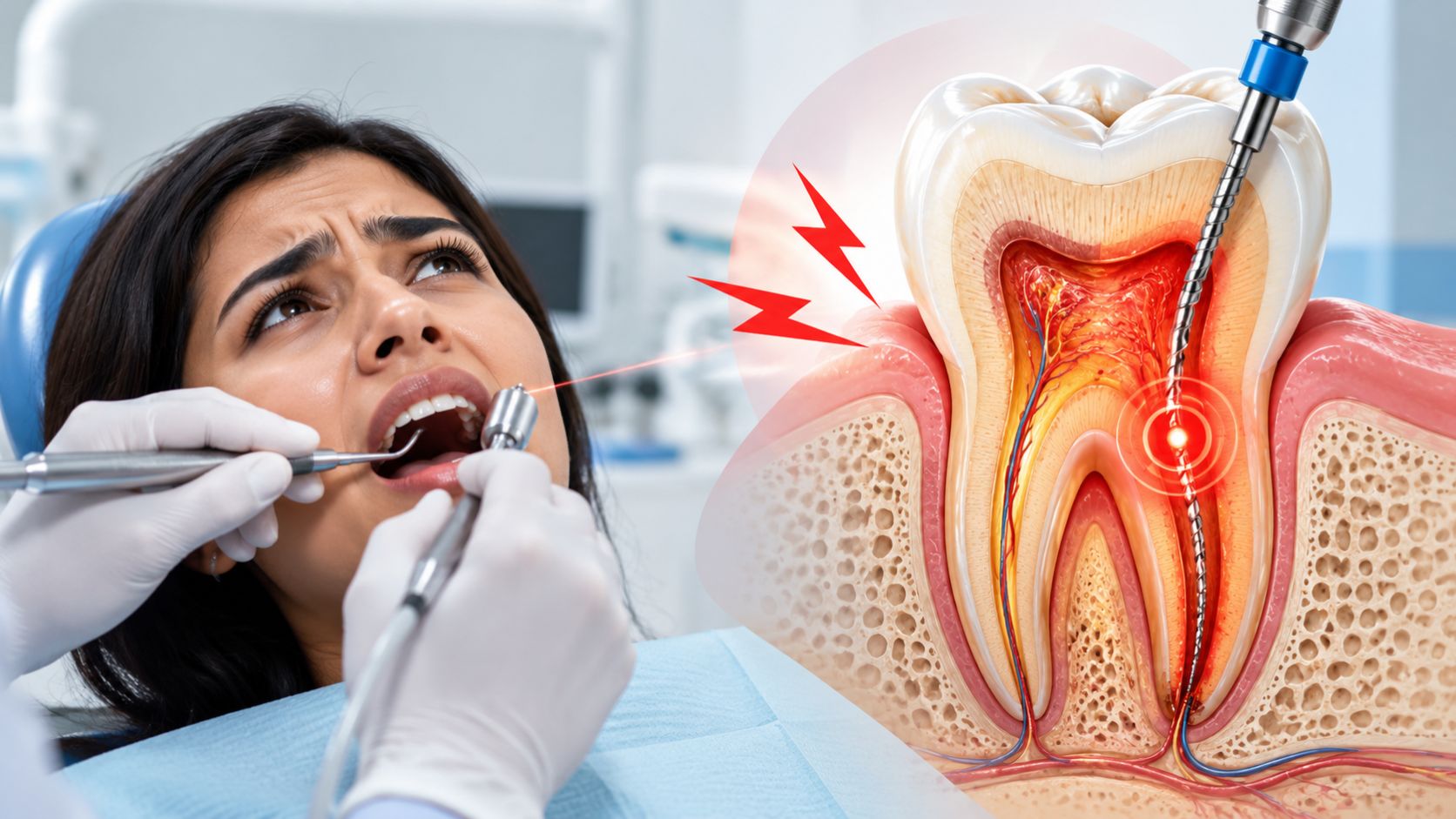
What Is the Most Painful Stage of a Root Canal?
One of the most common questions patients ask before undergoing a root canal is, “What is the most painful stage of a root canal?” The thought of dental instruments, injections, and treatment inside a tooth can make many people anxious. If you are experiencing a severe toothache, sensitivity to hot or cold foods, or pain while chewing, you may be worried that root canal treatment will make the discomfort worse.
The good news is that modern root canal treatment is designed to relieve pain caused by inflammation or infection inside a tooth. With appropriate local anaesthesia, most patients remain comfortable during the procedure, although some tenderness may occur afterward.
At Gupta Dental Clinic, understanding the treatment process can help patients make informed decisions about their oral health. If you are considering Root Canal Treatment In Gurgaon, knowing which stages may cause discomfort, why pain occurs, and how it can be managed can help you approach your dental appointment with greater confidence.
What Is the Most Painful Stage of a Root Canal?
The most uncomfortable stage for many patients may be receiving the local anaesthetic injection or experiencing tenderness after the procedure, rather than the root canal cleaning itself. However, discomfort varies from person to person.
When local anaesthesia works effectively, the dentist can access the inside of the tooth, remove infected or inflamed pulp tissue, clean the root canals, and seal them with minimal pain. Patients may notice pressure, vibration, or movement, but they should not have to tolerate significant pain during treatment.
If the tooth is severely inflamed or infected, achieving complete numbness can sometimes be more challenging. In such cases, the dentist may use additional anaesthetic techniques to improve comfort.
According to the American Association of Endodontists, most patients are comfortable during root canal treatment with modern anaesthesia and appropriate pain management. Mild tenderness for a few days afterward can occur, particularly when infection or inflammation was present before treatment.
Understanding the Stages of Root Canal Treatment and Their Pain Levels
A root canal involves several steps, and each may feel different depending on the condition of the tooth, the level of infection, and the patient’s sensitivity.
1. Local Anaesthesia: The Injection Stage
The first stage usually involves administering local anaesthesia to numb the affected tooth and surrounding tissues.
Some patients experience a brief pinching sensation, pressure, or mild stinging when the injection is given. This discomfort generally lasts only a short time.
If the tooth has severe inflammation, the dentist may need additional anaesthesia or a different technique to achieve adequate numbness before proceeding.
How to manage discomfort: Inform your dentist if you are nervous about injections or have previously experienced difficulty getting numb. The dentist can discuss techniques to make the process more comfortable.
2. Opening the Tooth and Accessing the Pulp
Once the tooth is sufficiently numb, the dentist creates a small opening to access the pulp chamber, which contains nerves and blood vessels.
Most patients feel pressure or vibration from the dental instruments rather than sharp pain. The procedure should not cause significant pain when anaesthesia is effective.
If you feel sharp pain, raise your hand and alert the dentist immediately. The dentist can pause and assess whether additional anaesthesia or another adjustment is needed.
3. Cleaning and Shaping the Root Canals
This stage involves removing inflamed or infected pulp tissue, cleaning the root canal system, and shaping the canals for filling.
Although patients often imagine this to be the most painful part, it is generally well tolerated under effective local anaesthesia.
Some pressure or unusual sensations may occur, but significant pain should not be ignored. Teeth with extensive inflammation or complex root canal anatomy may require additional attention.
4. Disinfection and Filling of the Root Canals
After cleaning and shaping, the dentist disinfects the canals and fills them with a suitable material to seal the internal space.
This stage is usually not painful when the tooth is properly anaesthetised. Patients may experience mild pressure or discomfort associated with keeping the mouth open for an extended period.
The dentist then places a temporary or permanent restoration, depending on the treatment plan.
5. Recovery After Root Canal Treatment
For some patients, the most noticeable discomfort occurs after the anaesthesia wears off.
The treated tooth and surrounding tissues may feel tender for several days. This can happen because the tissues around the root tip were inflamed before treatment or have been irritated during the procedure.
Common temporary symptoms include:
- Mild soreness when chewing.
- Tenderness around the treated tooth.
- Slight sensitivity or pressure.
- Jaw muscle discomfort from keeping the mouth open.
These symptoms generally improve over time. However, severe, worsening, or persistent pain requires a dental review.
Why Does a Root Canal Sometimes Hurt More Than Expected?
Not every patient experiences the same level of discomfort. Several factors can influence the treatment experience.
Severe Tooth Inflammation
When the pulp becomes severely inflamed, the tooth may be unusually sensitive. This can make achieving profound anaesthesia more challenging in certain cases.
Existing Dental Infection
An infection around the root tip can cause tenderness and pain when biting. The tissues surrounding the tooth may remain sensitive for a short time even after the infected pulp has been removed.
Complex Root Canal Anatomy
Some teeth have narrow, curved, or unusually shaped canals. These may require additional time and care during treatment, although complex anatomy does not automatically mean the procedure will be painful.
Dental Anxiety
Fear and anxiety can increase a person’s perception of discomfort. Clear communication, an explanation of each step, and agreed-upon signals to pause can help patients feel more in control.
Incomplete Anaesthesia
Occasionally, the initial anaesthetic may not provide sufficient numbness. Patients should communicate any sharp pain immediately rather than attempting to tolerate it.
Does a Root Canal Hurt More Than a Tooth Extraction?
There is no universal answer because discomfort depends on the condition of the tooth, the complexity of the procedure, and individual pain sensitivity.
With effective local anaesthesia, both root canal treatment and tooth extraction can usually be performed with manageable discomfort. Root canal treatment aims to preserve a natural tooth by removing diseased pulp tissue and sealing the root canals, whereas extraction removes the tooth.
After either procedure, some soreness may occur. The duration and intensity vary depending on the individual circumstances.
A dentist can assess whether the tooth can be restored and explain the advantages, limitations, and expected recovery associated with the available treatment options.
How Long Does Pain Last After a Root Canal?
Mild tenderness after a root canal is common and often improves over the next few days.
The recovery period may vary depending on the severity of the original infection, the condition of the surrounding tissues, and the complexity of treatment.
Here is a general guide:
- First 24 hours: The treated area may feel tender as the anaesthesia wears off.
- Days 2-3: Mild discomfort when biting may continue but should generally begin improving.
- Several days afterward: Most routine post-treatment tenderness gradually settles.
- Persistent or worsening symptoms: The tooth should be examined by a dentist rather than managed indefinitely at home.
These are general expectations, not a guaranteed recovery timeline. Your dentist’s instructions should take priority because every tooth and treatment situation is different.
The American Association of Endodontists recommends following post-treatment instructions and contacting the treating dentist if concerning symptoms develop.
How Can You Reduce Pain During and After a Root Canal?
Appropriate preparation and aftercare can help make the treatment experience more comfortable.
1. Tell Your Dentist About Your Symptoms
Explain whether your tooth hurts spontaneously, throbs at night, reacts to temperature, or hurts when you bite. This information can help the dentist assess the condition of the tooth.
2. Discuss Dental Anxiety Before Treatment
If injections or dental procedures make you nervous, let the dentist know before treatment begins. Agreeing on a hand signal to request a pause can provide reassurance.
3. Follow Medication Instructions
Use pain-relieving medication only as advised by your dentist or another qualified healthcare professional. The appropriate medicine and dose depend on your medical history, other medications, allergies, and individual circumstances.
Do not take antibiotics or prescription painkillers without appropriate professional advice.
4. Avoid Chewing Hard Foods on the Treated Tooth
Until the tooth has been adequately restored, avoid chewing hard, crunchy, or sticky foods on that side. A temporary filling may not provide the same protection as a definitive restoration.
5. Complete the Recommended Restoration
Depending on the tooth and the amount of remaining structure, your dentist may recommend a permanent filling or a crown. Completing the restoration helps protect the treated tooth from fracture and supports its long-term function.
6. Attend Follow-Up Appointments
Follow-up visits allow the dentist to assess healing, check the restoration, and address any continuing symptoms.
When Should You Be Concerned About Pain After a Root Canal?
Mild, improving tenderness is often part of normal recovery. However, certain symptoms should not be ignored.
Contact your dentist if you experience:
- Severe pain or pressure that does not improve.
- Pain that becomes worse instead of gradually settling.
- Visible swelling inside or outside the mouth.
- A bite that feels uneven after the restoration.
- A temporary filling or crown that becomes loose or falls out.
- Symptoms that persist longer than expected.
Seek urgent medical or dental care if you develop rapidly spreading facial or neck swelling, difficulty swallowing, or difficulty breathing. Breathing difficulty is an emergency.
Prompt assessment can help identify whether the symptoms are related to persistent inflammation, infection, a restoration issue, or another dental problem.
Is Root Canal Treatment Safe?
Root canal treatment is a commonly performed dental procedure used to treat disease or injury affecting the pulp inside a tooth.
Like any dental procedure, it has potential risks and limitations. These may include persistent infection, temporary tenderness, complications related to complex anatomy, or the need for additional treatment.
The suitability of root canal treatment depends on a clinical examination, appropriate diagnostic tests, and assessment of whether the tooth can be restored successfully.
When a tooth can be saved, root canal treatment may help preserve natural tooth structure and chewing function. Your dentist should explain the expected benefits, potential risks, alternatives, and likely restoration requirements before treatment.
Why Choose Professional Assessment for Root Canal Treatment In Gurgaon?
Persistent toothache should not be ignored, especially when it interferes with eating, sleeping, or daily activities.
At Gupta Dental Clinic, patients considering Root Canal Treatment In Gurgaon should seek an individual assessment to understand the cause of their symptoms and the most appropriate treatment options.
A dental evaluation may include a discussion of symptoms, examination of the affected tooth, tests to assess pulp and surrounding tissue health, and dental X-rays when clinically indicated.
The treatment plan should be based on the findings rather than symptoms alone. Depending on the diagnosis, options may include root canal treatment, another tooth-preserving procedure, or extraction when the tooth cannot be predictably restored.
Patients should feel comfortable asking questions about the procedure, anaesthesia, expected recovery, restoration options, fees, and follow-up care before making a decision.
Frequently Asked Questions
1. What is the most painful part of a root canal?
The anaesthetic injection or the tenderness experienced after treatment may be the most uncomfortable parts for some patients. With effective local anaesthesia, cleaning and filling the root canals are generally well tolerated.
2. Can I feel pain during a root canal?
Most patients experience little or no significant pain during treatment when adequate anaesthesia has been achieved. If you feel sharp pain, inform your dentist immediately so the cause can be assessed and managed.
3. Is the first stage of a root canal painful?
The injection used to numb the tooth may cause brief discomfort. Once the area is adequately numb, the dentist can usually begin treatment without significant pain.
4. Why does my tooth hurt after a root canal?
The tissues around the root may remain inflamed or sensitive after treatment. Mild tenderness is common, but severe or worsening pain should be assessed by your dentist.
5. How many days does root canal pain last?
Many patients notice improvement within a few days. Recovery varies, and persistent or worsening pain should not be assumed to be normal.
6. Is root canal treatment better than removing the tooth?
When a tooth is restorable, root canal treatment may preserve the natural tooth and its function. Extraction may be appropriate in some cases. The best option depends on the tooth’s condition, prognosis, and the patient’s circumstances.
7. Can I eat after a root canal?
Follow your dentist’s advice regarding eating, particularly while your mouth is numb or the tooth has a temporary restoration. Avoid chewing hard foods on the treated tooth until it has been appropriately restored.
8. When should I consult a dentist for severe tooth pain?
Seek prompt dental assessment for severe or persistent toothache, swelling, pain when biting, or sensitivity that does not settle. Facial swelling accompanied by difficulty breathing or swallowing requires emergency care.
Conclusion
So, what is the most painful stage of a root canal? For many patients, it may be the brief discomfort of the anaesthetic injection or the tenderness experienced during recovery. The root canal procedure itself is generally well tolerated when the tooth is adequately numbed.
Understanding the stages of treatment, communicating openly with your dentist, following aftercare instructions, and completing the recommended restoration can all contribute to a more comfortable experience.
If you have persistent tooth pain or suspect an infection, consult a qualified dental professional rather than delaying care. Gupta Dental Clinic can assess your dental concerns and discuss whether Root Canal Treatment In Gurgaon is appropriate for your condition.