

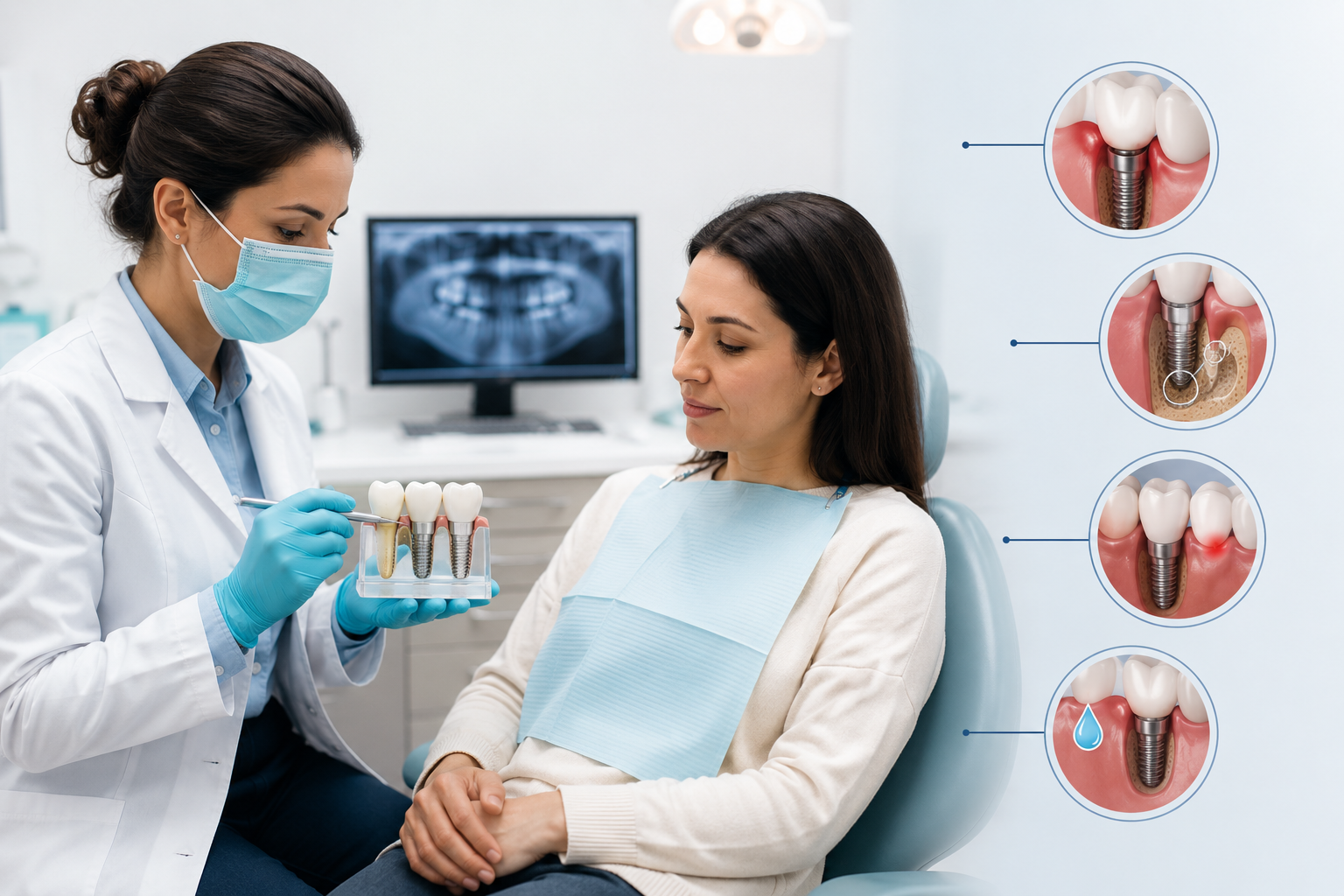
Dental Implant Side Effects and Complications: Prevention Guide
Dental implants are one of the most reliable and long-lasting solutions for replacing missing teeth. They look natural, restore chewing ability, and help maintain jawbone health. With modern dental technology and experienced implant dentists, the success rate of dental implants is very high. However, like any surgical procedure, dental implants may have certain side effects and complications if proper planning, treatment, and aftercare are not followed.
If you are considering Dental Implants in Gurgaon, understanding the possible risks and how to prevent them can help you make an informed decision. At Gupta Dental Clinic, every implant treatment begins with a detailed evaluation, digital diagnostics, and a personalized treatment plan to maximize safety and long-term success.
What Are Dental Implants?
A dental implant is a titanium or zirconia post that is surgically placed into the jawbone to replace the root of a missing tooth. Once the implant integrates with the bone, a custom-made dental crown, bridge, or denture is attached to restore the appearance and function of your smile.
Dental implants are widely recommended because they:
- Look and feel like natural teeth
- Prevent bone loss after tooth extraction
- Improve chewing and speech
- Preserve nearby healthy teeth
- Offer a long-lasting tooth replacement option
Are Side Effects After Dental Implant Surgery Normal?
Yes. Mild side effects are a normal part of healing and usually improve within a few days.
Common temporary side effects include:
- Mild pain or discomfort
- Swelling around the gums and face
- Slight bleeding during the first 24 hours
- Bruising near the implant site
- Difficulty chewing for a few days
These symptoms generally resolve with prescribed medications, proper oral hygiene, and following your dentist’s post-operative instructions.
Possible Dental Implant Complications
Although uncommon, complications can occur if risk factors are not managed properly.
1. Infection Around the Implant
One of the most common complications is infection around the implant site, known as peri-implant infection. Poor oral hygiene, smoking, or uncontrolled diabetes can increase this risk.
Symptoms may include:
- Persistent pain
- Swollen gums
- Pus discharge
- Bad taste in the mouth
- Bleeding around the implant
Early treatment usually prevents further damage.
2. Implant Failure
Dental implants require time to fuse with the jawbone through a process called osseointegration. If this process is interrupted, the implant may become loose or fail.
Possible causes include:
- Smoking
- Poor bone quality
- Infection
- Excessive pressure on the implant
- Certain medical conditions
Proper treatment planning significantly reduces this risk.
3. Nerve Injury
In rare cases, an implant placed too close to a nerve may cause:
- Tingling
- Numbness
- Burning sensation
- Altered feeling in the lips, chin, or tongue
Advanced 3D CBCT scans help dentists accurately position implants and minimize this complication.
4. Sinus Problems
For implants placed in the upper back jaw, insufficient bone height may increase the risk of sinus involvement.
Experienced implant dentists carefully assess the sinus area and may recommend a sinus lift procedure when needed.
5. Gum Inflammation
Inflamed gums around an implant can occur due to plaque buildup or inadequate oral hygiene.
Early signs include:
- Red gums
- Bleeding while brushing
- Tenderness
- Mild swelling
Professional cleaning and improved oral hygiene usually resolve the problem.
6. Loose Implant Crown
Sometimes, the implant itself remains stable while the crown attached to it becomes loose because of normal wear or excessive bite pressure.
This issue is generally simple to correct during a dental visit.
Who Is at Higher Risk of Implant Complications?
Certain factors may increase the chances of complications:
- Smoking or tobacco use
- Uncontrolled diabetes
- Poor oral hygiene
- Advanced gum disease
- Severe bone loss
- Teeth grinding (bruxism)
- Heavy alcohol consumption
- Certain medications affecting bone healing
A thorough medical and dental evaluation helps identify these risks before treatment.
How to Prevent Dental Implant Complications
Fortunately, most implant complications are preventable with proper care.
Choose an Experienced Implant Dentist
Successful implant treatment depends on careful diagnosis, precise placement, and long-term follow-up. An experienced implant dentist uses advanced imaging to create a customized treatment plan.
Maintain Excellent Oral Hygiene
Brush twice daily using a soft toothbrush, floss around the implant, and use any recommended antimicrobial mouthwash to reduce plaque accumulation.
Stop Smoking
Smoking slows healing, reduces blood supply to the gums, and significantly increases the risk of implant failure. Quitting before and after surgery greatly improves treatment success.
Follow Post-Surgical Instructions
Take prescribed medications as directed, avoid disturbing the surgical area, and attend all follow-up appointments.
Eat Soft Foods During Healing
Choose foods such as yogurt, soups, mashed vegetables, smoothies, and soft rice while the implant heals. Avoid hard, crunchy, or sticky foods until your dentist advises otherwise.
Attend Regular Dental Check-Ups
Routine professional cleaning and examinations help detect problems early before they become serious.
When Should You Contact Your Dentist?
Seek dental care immediately if you notice:
- Severe or increasing pain after several days
- Heavy bleeding
- Persistent swelling beyond a week
- Fever
- Pus around the implant
- Loose implant or crown
- Difficulty opening the mouth
- Persistent numbness
Early treatment often prevents more serious complications.
Why Choose Gupta Dental Clinic for Dental Implants in Gurgaon?
Choosing the right dental clinic plays an important role in the long-term success of implant treatment.
At Gupta Dental Clinic, patients receive:
- Comprehensive dental implant evaluation
- Digital X-rays and CBCT imaging
- Personalized treatment planning
- Strict sterilization protocols
- High-quality implant systems
- Experienced dental professionals
- Complete post-treatment care and follow-up
Every treatment plan is designed according to the patient’s oral health, bone condition, medical history, and long-term goals.
Final Thoughts
Dental implants remain one of the safest and most successful tooth replacement options available today. While minor side effects are a normal part of healing, serious complications are uncommon when treatment is performed by an experienced dental professional and patients follow proper aftercare.
If you are planning to get Dental Implants in Gurgaon, choosing a trusted clinic, maintaining excellent oral hygiene, and attending regular follow-up visits will help ensure long-lasting results and a healthy smile.
Frequently Asked Questions (FAQs)
1. Are dental implants safe?
Yes. Dental implants have a high long-term success rate when placed by experienced dentists and maintained with good oral hygiene.
2. What is the most common complication of dental implants?
The most common complication is infection around the implant, which can usually be treated successfully if detected early.
3. How long does implant healing take?
Initial healing usually takes one to two weeks, while complete integration with the jawbone generally takes three to six months.
4. Can dental implant failure be prevented?
Most implant failures can be prevented through proper treatment planning, good oral hygiene, regular dental check-ups, and avoiding smoking.
5. Is swelling normal after implant surgery?
Yes. Mild swelling is expected for the first few days and usually improves with prescribed medication and cold compresses.
6. Who is a good candidate for dental implants?
Most healthy adults with sufficient jawbone and healthy gums are suitable candidates. Your dentist will evaluate your oral and medical health before recommending treatment.