

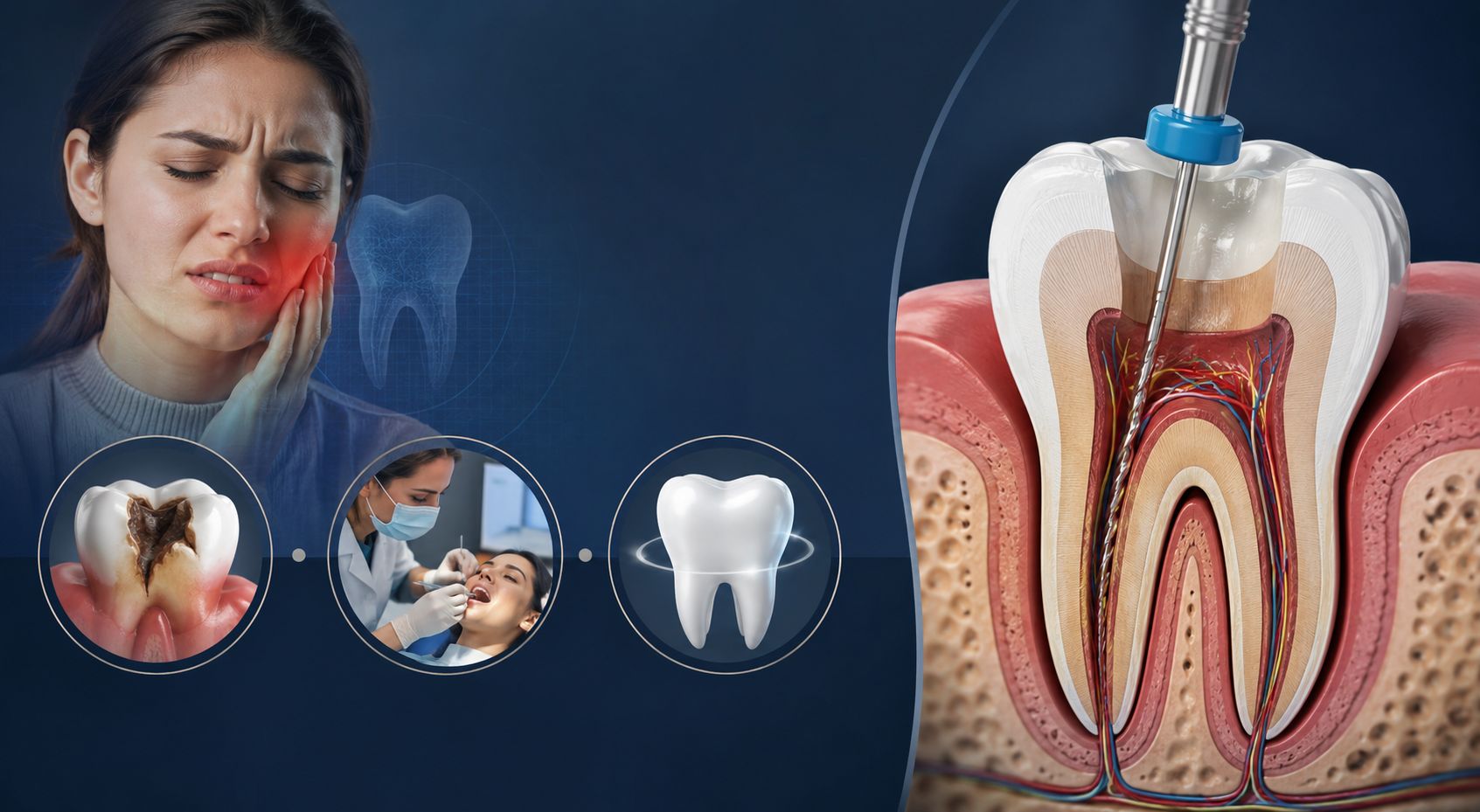
Why Do You Need Root Canal Treatment? Causes, Procedure & Benefits
A toothache may seem like a minor problem at first, but persistent pain, sensitivity, or swelling can sometimes indicate an infection deep inside the tooth. When the soft tissue inside a tooth becomes inflamed or infected, simply treating the surface may not be enough. In such cases, Root Canal Treatment in Gurgaon can help remove the infection, relieve discomfort, and preserve the natural tooth.
At Gupta Dental Clinic, root canal treatment is planned after a detailed dental examination and appropriate imaging. The goal is not only to treat the infection but also to help restore the tooth’s function and protect your overall oral health.
What Is Root Canal Treatment?
Root canal treatment, commonly called an RCT, is a dental procedure used to treat infection or inflammation inside the tooth.
Every tooth contains a soft inner area called the pulp, which contains nerves and blood vessels. Deep decay, cracks, trauma, or repeated dental procedures can damage this tissue. If bacteria reach the pulp, infection may develop.
During root canal treatment, the dentist removes the infected or damaged pulp, carefully cleans and disinfects the inside of the tooth, fills the root canals, and seals the tooth. A crown or another suitable restoration may then be recommended to strengthen and protect the treated tooth.
The main objective is simple: save the natural tooth whenever it can be safely preserved.
Why Might You Need a Root Canal?
Several dental problems can damage the pulp and make root canal treatment necessary.
1. Deep Tooth Decay
Untreated cavities can gradually move deeper into the tooth. When decay reaches the pulp, it can cause inflammation or infection.
Early treatment of cavities may prevent the problem from progressing to this stage.
2. Persistent Tooth Pain
Severe or recurring tooth pain, particularly when chewing or biting, may indicate inflammation or infection within the tooth.
Not every toothache requires an RCT, but persistent pain should be evaluated by a dentist rather than ignored.
3. Prolonged Sensitivity
Sensitivity to hot or cold foods is common and does not always mean you need a root canal. However, if the sensitivity is intense or continues even after the food or drink has been removed, it may indicate deeper pulp damage.
4. Cracked or Damaged Teeth
A crack in a tooth can allow bacteria to reach the inner pulp. Depending on the location and severity of the damage, root canal treatment may be required to address infection while preserving the remaining tooth structure.
5. Dental Trauma
An injury to the mouth can damage the pulp even when the tooth does not appear severely broken. Sometimes symptoms develop immediately, while in other cases problems become noticeable later.
6. Repeated Dental Procedures
A tooth that has undergone multiple restorations or other procedures may eventually experience pulp irritation or damage. Your dentist can assess whether root canal treatment is appropriate.
What Are the Common Signs You May Need an RCT?
Watch for symptoms such as:
- Persistent or severe toothache
- Pain while chewing or biting
- Prolonged sensitivity to hot or cold
- Swelling around the tooth or gums
- Tenderness near the affected tooth
- A pimple or recurring swelling on the gums
- Darkening or discoloration of a tooth
- An unpleasant taste associated with drainage
- Pain that interferes with sleep or everyday activities
It is important to remember that some infected teeth may cause little or no pain. A dental examination and X-ray may be necessary to identify problems that are not obvious from symptoms alone.
How Is Root Canal Treatment Performed?
Many people feel anxious when they hear the words “root canal.” Modern dental techniques and local anaesthesia make the procedure considerably more comfortable for most patients.
Although the exact treatment plan varies from tooth to tooth, the process generally involves these stages.
Step 1: Dental Examination
The dentist first evaluates your symptoms, examines the tooth, and may take an X-ray or other dental images. This helps determine the condition of the pulp and surrounding tissues.
Step 2: Local Anaesthesia
Local anaesthesia is used to numb the affected area. This helps minimise discomfort during the procedure.
Step 3: Accessing the Tooth
The dentist creates a small opening in the tooth to reach the infected or inflamed pulp chamber and root canals.
Step 4: Removing the Infected Pulp
The damaged pulp tissue is carefully removed from inside the tooth.
Step 5: Cleaning and Disinfecting
The root canals are cleaned, shaped, and disinfected to reduce bacteria and remove remaining infected material.
Step 6: Filling and Sealing
Once the canals have been properly cleaned and prepared, they are filled and sealed to help prevent bacteria from entering again.
Step 7: Restoring the Tooth
A treated tooth may need a permanent restoration, often a dental crown, depending on its condition and location. This helps restore its strength, shape, and function.
Is Root Canal Treatment Painful?
This is one of the most common concerns patients have.
With appropriate local anaesthesia, most patients should not experience significant pain during the procedure. Some tenderness or mild discomfort may occur after treatment as the surrounding tissues settle.
If discomfort continues, becomes severe, or is accompanied by increasing swelling or fever, contact your dentist promptly.
At Gupta Dental Clinic, discussing your concerns before treatment can help you understand what to expect and feel more comfortable throughout the process.
What Are the Benefits of Root Canal Treatment?
Choosing root canal treatment when clinically appropriate can offer several important benefits.
Saves Your Natural Tooth
One of the biggest advantages is that RCT can allow a damaged or infected tooth to remain in your mouth instead of being extracted.
Relieves Infection-Related Symptoms
By removing infected pulp and cleaning the root canals, treatment addresses the source of infection rather than only managing the symptoms.
Restores Normal Function
After the tooth has been properly restored, it can usually be used for normal biting and chewing.
Helps Protect Nearby Teeth
Keeping the natural tooth can help maintain the existing arrangement of your teeth and reduce the need to replace an extracted tooth.
Avoids Unnecessary Extraction
Extraction removes the affected tooth, but it may create the need for a replacement such as an implant, bridge, or denture. When a tooth can be predictably saved, root canal treatment may be a preferable option.
Root Canal Treatment vs. Tooth Extraction
When a tooth is severely infected, patients may wonder whether extraction is easier than an RCT.
The answer depends on the condition of the tooth.
| Root Canal Treatment | Tooth Extraction |
| Aims to preserve the natural tooth | Removes the affected tooth |
| Treats infection inside the tooth | Removes the entire tooth |
| Usually followed by a restoration | May require tooth replacement |
| Preserves the existing tooth structure when possible | Can affect neighbouring teeth and bite if not replaced |
| May help maintain natural chewing function | Replacement options may involve additional treatment |
Your dentist can determine which option is appropriate after examining the tooth.
What Happens After a Root Canal?
Some mild tenderness can occur after treatment. Your dentist may provide specific aftercare instructions based on your procedure.
Until the tooth receives its final restoration, you may be advised to avoid putting excessive pressure on it. If a crown has been recommended, completing the restoration on time is important because a root-treated tooth may require additional protection from fracture.
Continue brushing and flossing normally around the treated area unless your dentist gives you different instructions.
How Long Does a Root Canal Take?
The duration varies depending on factors such as:
- Which tooth is being treated
- The number and shape of the root canals
- The extent of infection
- Whether the tooth has been previously treated
- The type of restoration required
Some cases can be completed in one appointment, while more complex cases may require additional visits.
Your dentist can provide a more accurate estimate after evaluating your tooth.
Can Root Canal Treatment Fail?
Root canal treatment generally has a high rate of success when the tooth is properly selected, treated, restored, and maintained. However, no dental procedure can guarantee success in every case.
Treatment may become complicated if there are untreated canals, persistent infection, leakage around a restoration, new decay, or a fracture in the tooth.
Regular dental check-ups can help identify problems early.
How Can You Avoid Needing a Root Canal?
Not every root canal can be prevented, particularly when dental trauma or other unexpected problems are involved. However, good oral care can reduce the risk of deep tooth decay and dental infection.
Helpful habits include:
- Brush twice a day with fluoride toothpaste.
- Clean between your teeth daily.
- Limit frequent sugary snacks and drinks.
- Wear a mouthguard during contact sports when recommended.
- Do not ignore persistent tooth pain or sensitivity.
- Visit your dentist regularly for examinations and professional cleaning.
- Treat cavities before they progress deeper.
Why Choose a Professional Dental Clinic for Root Canal Treatment?
Root canal treatment requires careful diagnosis, cleaning, shaping, sealing, and restoration. The quality of each stage can influence the long-term outcome.
When looking for the Best Root Canal Treatment in Gurgaon, patients should look beyond a simple “best” label and consider factors such as:
- Proper diagnosis before treatment
- Appropriate dental imaging
- Experience with root canal procedures
- Modern infection-control practices
- Clear communication about treatment options
- Appropriate restoration after RCT
- Follow-up care
At Gupta Dental Clinic, treatment is based on the individual condition of the tooth rather than using a one-size-fits-all approach.
Frequently Asked Questions About Root Canal Treatment
1. How do I know if I need a root canal?
Persistent tooth pain, prolonged hot or cold sensitivity, swelling, pain while biting, or signs of infection can indicate a problem with the dental pulp. However, only a dental examination and appropriate imaging can determine whether an RCT is necessary.
2. Is root canal treatment better than extraction?
If the tooth can be safely restored, preserving the natural tooth through root canal treatment may be preferable to extraction. The right choice depends on the tooth’s condition.
3. Can an infected tooth heal without a root canal?
When the pulp has become irreversibly inflamed or infected, it generally cannot recover on its own. Professional dental treatment is required to address the underlying problem.
4. How long does a root canal-treated tooth last?
A root canal-treated tooth can function for many years when it receives appropriate restoration and is maintained with good oral hygiene and regular dental care. Its longevity also depends on factors such as remaining tooth structure, bite forces, and overall oral health.
5. Can I eat normally after an RCT?
Your dentist may recommend avoiding hard or sticky foods and chewing on the treated tooth until the permanent restoration is completed. Follow the specific instructions provided for your case.
6. Does every toothache require root canal treatment?
No. Toothache can have many causes, including cavities, gum problems, cracked teeth, sensitivity, or other dental conditions. An examination is needed to identify the actual cause.
7. Is root canal treatment safe?
Root canal treatment is a well-established dental procedure used to treat infected or damaged pulp and preserve suitable natural teeth. Your dentist can explain the potential benefits and risks based on your individual condition.
Final Thoughts
A persistent toothache should not be treated as something you simply have to live with. When infection or inflammation reaches the inner part of a tooth, Root Canal Treatment in Gurgaon may provide a way to treat the problem while preserving your natural tooth.
Early diagnosis can make treatment more straightforward and may help prevent the infection from causing further complications. If you are experiencing persistent dental pain, sensitivity, swelling, or discomfort while chewing, consult Gupta Dental Clinic for a professional evaluation and personalised treatment plan.