

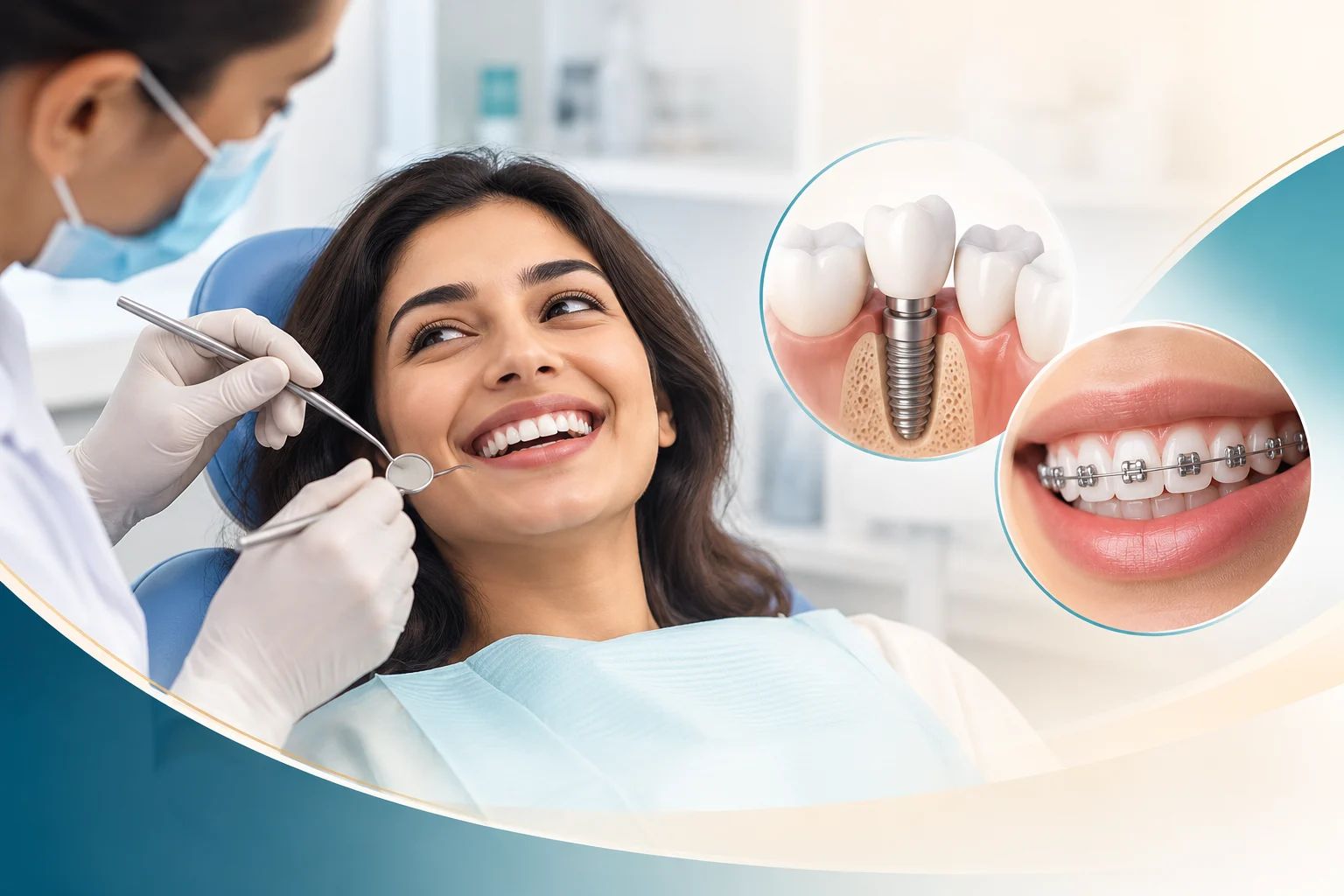
What Is the Biggest Complaint About Dental Implants?
Dental implants are a commonly used option for replacing missing teeth. They are designed to provide support for replacement teeth and help restore chewing function and appearance. However, like any dental procedure, implant treatment can involve certain challenges, and patients may have concerns about discomfort, healing time, cost, or complications.
One of the most significant complaints associated with dental implants is persistent discomfort or pain after the procedure, particularly when it continues beyond the expected healing period. Other concerns include inflammation around the implant, difficulty cleaning the area, implant failure, and the need for additional treatment.
Understanding these potential problems can help patients make informed decisions about treatment. If you are considering dental implants in Gurgaon, learning about the benefits, limitations, and aftercare requirements can help you prepare for the process and discuss your individual needs with a qualified dental professional.
At Dr Gupta’s Dental Implant & Orthodontic Centre, patient education is an important part of understanding restorative dental treatment. This guide explains common complaints about dental implants, why they occur, and when professional evaluation may be necessary.
Common Problems With Dental Implants: What Patients Should Know
There is no single complaint that applies to every dental implant patient. However, ongoing pain or discomfort after implant placement is an important concern, especially when it does not improve as expected.
Mild soreness, swelling, and tenderness can occur during the initial healing period. These symptoms generally improve gradually. Persistent or worsening pain, on the other hand, may indicate an issue that needs assessment by a dentist.
Common complaints about dental implants include:
- Pain or tenderness that continues longer than expected.
- Swelling, redness, or bleeding around the implant.
- Difficulty chewing comfortably during healing.
- Gum inflammation around the implant.
- Loosening of the implant-supported crown or other components.
- Concerns about the overall cost and duration of treatment.
- The need for additional procedures or maintenance.
The cause of a complaint can vary depending on the patient’s oral health, the condition of the jawbone, the implant’s stability, and the healing process. A dental examination is necessary to determine whether a symptom is part of normal recovery or a sign of a complication.
7 Common Complaints About Dental Implants
1. Pain and Discomfort After Implant Surgery
Some discomfort is expected after dental implant placement because the procedure involves the gums and underlying bone. Patients may experience tenderness, mild swelling, or discomfort when chewing during the early recovery period.
These symptoms should generally improve over time. Pain that becomes more severe, returns after improving, or persists beyond the expected healing period should not be ignored.
Possible reasons include:
- Normal post-surgical inflammation.
- Pressure on the surgical area.
- Infection or inflammation.
- Problems involving the implant or surrounding tissues.
- Other dental conditions affecting the same area.
What can help?
Follow the post-operative instructions provided by your dentist. Take prescribed medication as directed, maintain gentle oral hygiene, and avoid disturbing the surgical site. Contact your dentist if pain worsens or is accompanied by fever, increasing swelling, pus, or other concerning symptoms.
2. Gum Inflammation Around the Implant
Another common concern is inflammation of the gum tissue surrounding a dental implant.
Bacteria can accumulate around the implant if plaque is not removed effectively. This may lead to peri-implant mucositis, which involves inflammation of the soft tissue around the implant.
If inflammation progresses and affects the supporting bone, the condition is known as peri-implantitis. This can threaten implant stability if it is not managed appropriately.
Signs to watch for include:
- Red or swollen gums around the implant.
- Bleeding during brushing or cleaning.
- Tenderness around the implant site.
- Persistent bad breath or an unpleasant taste.
- Gum recession or changes in the appearance of the implant area.
How can it be managed?
Daily brushing, cleaning between the teeth, and using suitable interdental cleaning aids can help control plaque. Regular professional examinations are also important because some implant-related problems may develop without significant pain in the early stages.
3. Implant Failure or Lack of Integration With the Bone
Dental implants are designed to integrate with the surrounding jawbone through a biological process called osseointegration. This connection helps provide stability for the replacement tooth.
In some cases, the implant does not integrate adequately or loses its stability later. This may be described as early or late implant failure, depending on when the problem occurs.
Potential contributing factors include:
- Poor bone quality or insufficient bone support.
- Active infection or uncontrolled inflammation.
- Smoking or tobacco use.
- Poorly controlled diabetes.
- Certain medications or medical conditions.
- Excessive loading or mechanical problems.
These factors do not automatically mean an implant will fail. Individual risk depends on several clinical considerations.
What happens if an implant fails?
The dentist will assess the implant, surrounding bone, gums, and any associated infection. Depending on the findings, treatment may involve controlling the infection, allowing the area to heal, or removing the implant. Replacement may be considered after evaluating the cause and the condition of the site.
4. Difficulty Chewing or Discomfort When Biting
Some patients notice that their replacement tooth feels uncomfortable when biting or chewing. In certain cases, the crown may contact the opposing teeth too early, creating an uneven bite.
Other possible causes include inflammation, implant component problems, or an issue with the fit of the restoration.
Possible warning signs include:
- Feeling that the implant tooth hits first when biting.
- Pain or pressure while chewing.
- A crown that feels loose or moves.
- Difficulty chewing certain foods comfortably.
A dentist can evaluate the bite and examine the implant-supported restoration. If the problem involves the crown’s contact with other teeth, an adjustment may be appropriate. A loose implant itself requires prompt assessment rather than simply tightening or adjusting the visible tooth.
5. Food Trapping and Difficulty Cleaning
Some patients find it difficult to clean around their implant-supported teeth, particularly when the replacement tooth has a complex shape or the surrounding gum tissue has changed.
Food may collect between the implant crown and neighbouring teeth or beneath certain types of implant-supported restorations.
When plaque remains in these areas, it can contribute to gum inflammation and other oral health problems.
Practical ways to improve cleaning include:
- Brush twice daily with a soft-bristled toothbrush.
- Clean between teeth using suitable interdental brushes or floss.
- Ask your dentist about tools designed for your specific restoration.
- Attend regular maintenance appointments.
- Report persistent food trapping, bleeding, or changes in gum appearance.
The correct cleaning method depends on whether you have a single implant crown, a bridge supported by implants, or a full-arch restoration.
6. High Treatment Costs and Longer-Than-Expected Treatment Time
Not every complaint about dental implants involves a physical complication. Cost and treatment duration can also be significant concerns for patients.
The total cost may vary depending on the number of implants, the type of restoration, diagnostic investigations, bone grafting requirements, and the complexity of the case.
Treatment time can also vary. Some patients may be suitable for earlier restoration, while others need a healing period before the final crown or bridge can be placed.
How can patients prepare?
Before treatment begins, discuss the following with your dentist:
- The proposed treatment plan and alternatives.
- The estimated total cost and what it includes.
- Whether additional procedures may be required.
- The expected healing and restoration timeline.
- Follow-up visits and long-term maintenance costs.
A clear explanation of the treatment plan can help patients understand what to expect and avoid confusion later.
7. Aesthetic Concerns Around the Implant Tooth
Some patients are concerned about how their implant-supported tooth looks compared with their natural teeth.
The appearance of the final restoration depends on factors such as gum shape, bone support, tooth colour, the position of the implant, and the design of the crown.
In some cases, gum recession or changes in the surrounding tissue may expose part of the implant restoration or affect the appearance of the smile.
What can be done?
The dentist can assess the crown, gum tissue, bite, and implant position. Depending on the cause, management may involve modifying the restoration or considering other appropriate procedures.
Discussing aesthetic expectations before treatment is important, especially when the implant is intended to replace a front tooth.
Are Dental Implants Worth It Despite These Complaints?
Dental implants can offer several benefits for appropriately selected patients. They may help restore chewing function, support replacement teeth, and provide an alternative to conventional bridges or removable dentures.
However, implants are not suitable for every patient, and they do not eliminate the need for regular dental care.
The potential benefits and limitations should be evaluated in the context of the patient’s oral health, medical history, bone support, expectations, and ability to maintain the restoration.
| Potential benefits | Important considerations |
| Can replace one or more missing teeth | Requires a surgical procedure |
| Can provide stable support for replacement teeth | Healing and integration take time |
| Does not usually require reshaping adjacent teeth for a single-tooth replacement | Bone grafting may be needed in some cases |
| Can help restore chewing function | Requires ongoing oral hygiene and maintenance |
| Can provide a fixed alternative to removable teeth | Complications and additional treatment are possible |
The most appropriate option depends on an individual clinical assessment rather than on the benefits of implants alone.
Who May Be at Higher Risk of Dental Implant Complications?
Certain health and lifestyle factors can influence healing and the long-term health of tissues around dental implants.
These include:
- Smoking and tobacco use: May impair healing and increase the risk of implant-related complications.
- Poorly controlled diabetes: Can affect wound healing and infection risk.
- Existing gum disease: Requires appropriate management before implant treatment.
- Inadequate oral hygiene: Can contribute to inflammation around the implant.
- Insufficient bone support: May affect implant placement and stability.
- Teeth grinding or clenching: May increase mechanical stress on implant-supported restorations.
- Certain medical conditions or medications: May affect treatment planning or healing.
Having one of these factors does not automatically rule out implant treatment. Your dentist may recommend additional evaluation, preventive measures, or coordination with your medical practitioner where appropriate.
How Can You Reduce the Risk of Dental Implant Problems?
Although no treatment can guarantee that complications will never occur, appropriate planning and maintenance can help reduce preventable risks.
1. Get a Thorough Dental Assessment
An assessment may include an examination of your gums and remaining teeth, a review of your medical history, and suitable dental imaging. Three-dimensional imaging may be recommended when necessary to evaluate bone anatomy and plan implant placement.
2. Treat Existing Gum Disease
Active gum disease should be evaluated and managed before implant treatment. Maintaining healthy gums is important both before and after implant placement.
3. Follow Post-Operative Instructions
Your dentist may advise you on oral hygiene, diet, medication, and activity during recovery. Follow the instructions provided for your procedure and seek guidance if your symptoms do not improve as expected.
4. Maintain Daily Oral Hygiene
Brush twice daily and clean around the implant using the methods recommended for your restoration. Avoid assuming that an artificial tooth cannot develop plaque-related problems.
5. Attend Regular Follow-Up Visits
Follow-up visits allow your dentist to monitor healing, check the implant-supported crown or bridge, evaluate the surrounding gums, and identify potential problems.
6. Address Problems Early
Persistent pain, increasing swelling, bleeding, pus, a loose crown, or a feeling that the implant is moving should be assessed by a dental professional. Early evaluation can help identify the cause and determine appropriate treatment.
When Should You See a Dentist About Dental Implant Pain?
Mild discomfort can occur during the initial recovery period, but symptoms should generally improve rather than worsen.
Arrange a prompt dental assessment if you experience:
- Pain that persists or becomes more severe.
- Increasing redness, swelling, or bleeding.
- Pus or a persistent unpleasant taste around the implant.
- A loose crown or movement of the implant.
- Pain when biting that does not settle.
- Gum recession or visible changes around the implant.
Seek urgent medical or dental care if you develop rapidly increasing facial swelling, difficulty swallowing, or difficulty breathing. Difficulty breathing is a medical emergency.
Do not attempt to tighten, remove, or adjust implant components yourself.
What Should You Ask Before Getting Dental Implants in Gurgaon?
If you are exploring dental implants in Gurgaon, a consultation should focus on understanding your suitability for treatment and the options available for replacing missing teeth.
Consider asking your dentist these questions:
- Am I a suitable candidate for dental implants based on my oral and general health?
- Do I have enough bone to support the proposed implant?
- Will I need a bone graft or another preparatory procedure?
- What are the potential risks in my individual case?
- How long might the treatment and healing process take?
- What alternatives are available, such as a dental bridge or removable denture?
- What will the total estimated cost include?
- What maintenance will be required after treatment?
These questions can help you understand the proposed treatment and make a decision based on your clinical needs, preferences, and budget.
Frequently Asked Questions About Dental Implant Complaints
1. What is the most common problem with dental implants?
There is no single problem that affects every patient. Pain or discomfort, inflammation around the implant, food trapping, and mechanical issues with the crown are among the concerns that may arise. Persistent or worsening symptoms require professional assessment.
2. How long should dental implants hurt after surgery?
Some pain, tenderness, and swelling are expected during early recovery and should generally improve over time. Recovery varies by patient and procedure. Pain that worsens, returns after improving, or persists beyond the expected healing period should be assessed by your dentist.
3. Can a dental implant fail after several years?
Yes. Although an implant may remain functional for many years, late complications can occur. Peri-implantitis, changes in bone support, excessive mechanical stress, and problems with implant components can affect long-term function.
4. What are the early signs of dental implant failure?
Possible warning signs include persistent pain, increasing swelling, pus, changes in the surrounding gums, or movement of the implant. A loose crown does not necessarily mean the implant itself has failed, so a dental examination is needed to distinguish between these problems.
5. Can dental implants cause bad breath?
Bad breath may occur when plaque, food debris, or inflammation develops around an implant-supported restoration. Persistent bad breath can also have other oral or medical causes. Appropriate cleaning and a dental assessment can help identify the source.
6. Are dental implants difficult to maintain?
Implants require consistent oral hygiene and professional monitoring. Patients need to clean around the implant and its restoration using appropriate tools. The exact maintenance routine depends on the type of implant-supported tooth or prosthesis.
7. Who should I consult for dental implants in Gurgaon?
Consult a suitably qualified dental professional who can assess your oral health, explain treatment alternatives, discuss potential risks, and provide an individualised treatment plan. Check the treating dentist’s qualifications and registration details, and ask about their experience with the type of implant treatment being considered.
Conclusion
The biggest complaint about dental implants cannot be reduced to a single issue for every patient. Persistent pain and discomfort are important concerns, while gum inflammation, implant failure, difficulty cleaning, aesthetic concerns, cost, and treatment duration can also affect the patient experience.
Understanding these potential challenges before treatment can help you set realistic expectations and recognise when professional advice is needed. Careful treatment planning, good oral hygiene, and regular follow-up are important parts of maintaining implant health.
For patients considering dental implants in Gurgaon, an individual dental assessment can help determine whether implants are appropriate and what alternatives may be suitable. The decision should be based on your oral health, medical history, treatment goals, and a clear understanding of the potential benefits and risks.
Medically Reviewed By
Dr. Ankur Gupta
BDS, MDS-Orthodontics
Haryana Dental Council Registration No. 1378A
Dr. Ankita Gupta
BDS, Implantologist
Haryana Dental Council Registration No. 2546A