

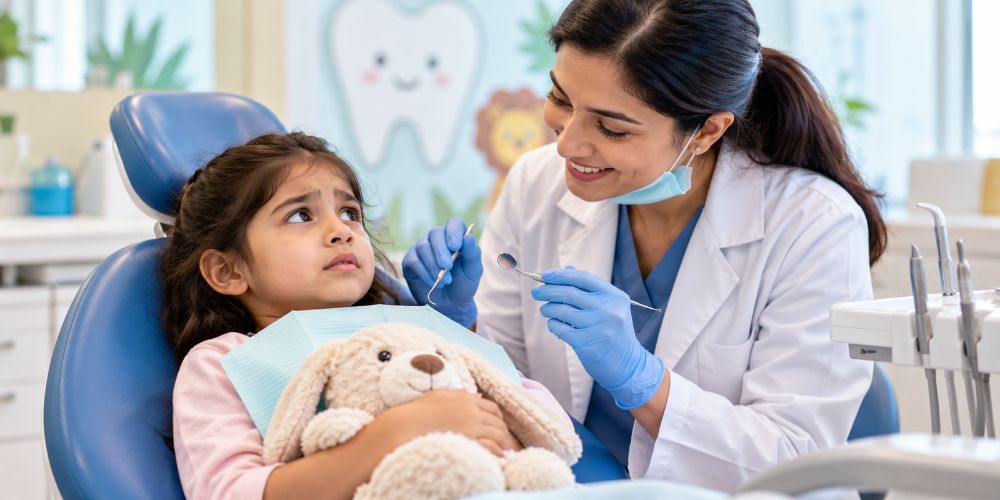
A healthy smile plays an important role in a child’s overall growth, confidence, and well-being. However, children’s dental health is often overlooked until they start experiencing toothaches, discomfort, or visible dental problems. Many parents assume that baby teeth do not require much attention because they eventually fall out. In reality, primary teeth are essential for chewing, speech development, maintaining space for permanent teeth, and supporting healthy oral development.
Children may not always be able to explain what is wrong with their teeth. Sometimes, changes in eating habits, sensitivity, bad breath, or reluctance to brush can indicate an underlying dental concern.
Knowing when to seek professional dental care can help parents prevent minor issues from becoming more complicated. Visiting a qualified Kids dentist in Gurgaon can help identify dental problems early and establish healthy oral hygiene habits from childhood.
At Dr Gupta’s Dental Implant & Orthodontic Centre, parents can seek professional guidance about their children’s dental health, preventive care, and developing smiles.
Let’s explore five important signs that indicate your child may need a dental visit.
1. Frequent Toothache or Tooth Sensitivity
One of the most noticeable signs that your child needs dental attention is frequent tooth pain or sensitivity. Children may complain that their teeth hurt while eating, drinking, or brushing. Some may avoid cold foods, hot beverages, or hard snacks because of discomfort.
Toothaches can develop due to several reasons, including:
-
Dental cavities: Bacterial activity and frequent exposure to sugary foods can lead to tooth decay.
-
Enamel damage: Weak or damaged enamel can make teeth more sensitive.
-
Dental infection: Untreated tooth decay may sometimes progress and cause infection.
-
Tooth injury: A fall or accidental impact can damage a tooth and cause pain.
Parents should not ignore recurring toothaches or rely on temporary home remedies to manage the discomfort. A dental examination can help identify the cause and determine the appropriate treatment.
Parent Tip: If your child experiences persistent tooth pain, arrange a dental appointment. Facial swelling, fever with dental pain, or difficulty swallowing requires urgent medical or dental assessment.
2. Visible Cavities, Dark Spots, or Discolouration
Changes in the appearance of your child’s teeth can be an early warning sign of dental problems. White spots, brown patches, black marks, or small holes on the teeth may indicate enamel changes or tooth decay.
Dental cavities are common during childhood, particularly when children frequently consume sugary snacks, sweets, chocolates, and sweetened drinks without maintaining proper oral hygiene.
Some common signs of tooth decay include:
-
White, chalky spots on the tooth surface.
-
Brown or black discolouration.
-
Small visible holes or pits in the teeth.
-
Food frequently getting stuck between teeth.
-
Sensitivity while eating or drinking.
Early dental decay may not cause pain, which is why regular dental examinations are important. A dentist can assess the condition and recommend preventive measures or treatment depending on the extent of damage.
Remember, baby teeth are important even though they are temporary. Untreated decay in primary teeth can cause pain, infection, and difficulties with eating.
3. Bleeding Gums, Swelling, or Persistent Bad Breath
Healthy gums are just as important as healthy teeth. If your child experiences bleeding gums while brushing, redness, swelling, or persistent bad breath, these symptoms should not be overlooked.
Although occasional bad breath can occur due to food particles or dry mouth, persistent unpleasant breath may sometimes indicate poor oral hygiene, gum inflammation, tooth decay, or another oral health concern.
Watch for the following symptoms:
-
Bleeding while brushing or flossing.
-
Red, swollen, or tender gums.
-
Persistent bad breath despite regular brushing.
-
Plaque or deposits around the teeth.
-
Discomfort while eating or brushing.
These symptoms may indicate gingivitis or other dental conditions that require professional evaluation.
A dental professional can examine your child’s gums, identify possible causes, and recommend appropriate cleaning techniques and preventive care.
Parent Tip: Encourage your child to brush twice daily using an age-appropriate toothbrush and fluoride toothpaste. Supervise brushing to ensure all tooth surfaces are cleaned properly.
4. Difficulty Chewing, Biting, or Speaking Properly
Children’s teeth and jaws play an important role in chewing food and developing clear speech. If your child frequently struggles while biting, avoids certain foods, or experiences discomfort when chewing, an underlying dental issue may be responsible.
Some children also develop bite-related problems as their permanent teeth begin to emerge.
Possible reasons include:
-
Misaligned or crowded teeth.
-
Improper bite development.
-
Missing or damaged teeth.
-
Untreated cavities causing chewing discomfort.
-
Early loss of baby teeth.
-
Dental injuries affecting the teeth or jaw.
Parents should also pay attention to speech difficulties that may be associated with dental or oral development. However, not every speech problem is caused by dental alignment, and some children may need assessment by a speech-language professional.
A dental examination can help evaluate tooth alignment, jaw development, and bite function. If necessary, the dentist may recommend further assessment or orthodontic consultation.
Parent Tip: Do not assume that crooked teeth will automatically correct themselves as your child grows. Early evaluation can help identify developing orthodontic concerns and determine whether monitoring or treatment is needed.
5. Thumb Sucking, Teeth Grinding, or Other Oral Habits
Certain childhood habits are normal during early development. However, when these habits continue for an extended period, they may affect the development and alignment of your child’s teeth.
Some common habits parents should monitor include:
-
Thumb sucking: Persistent thumb sucking may affect the position of the front teeth and the development of the bite.
-
Pacifier use: Prolonged pacifier habits may contribute to changes in tooth alignment.
-
Teeth grinding: Some children grind their teeth during sleep, which may cause tooth wear or jaw discomfort.
-
Mouth breathing: Persistent mouth breathing may be associated with nasal obstruction or other airway concerns and deserves appropriate evaluation.
Not every child who develops these habits will experience dental problems. The effect depends on factors such as the child’s age, frequency, intensity, and duration of the habit.
A dentist can assess whether an oral habit is affecting dental development and suggest suitable guidance or intervention.
Parent Tip: Avoid scolding or punishing your child for habits such as thumb sucking. Positive encouragement and professional advice can make habit management easier.
Why Is Early Dental Care Important for Children?
Early dental care is not only about treating cavities or relieving tooth pain. It also helps children develop healthy oral hygiene habits and supports proper dental development.
Here are some important benefits of regular dental checkups:
-
Early detection of cavities: Dental examinations help identify tooth decay before it progresses.
-
Healthy gum development: Professional assessment helps identify gum inflammation and other oral health concerns.
-
Monitoring permanent teeth: Dentists can observe how permanent teeth emerge and assess developing alignment concerns.
-
Better oral hygiene habits: Children and parents receive guidance on brushing, flossing, and dietary choices.
-
Prevention of dental anxiety: Positive and age-appropriate dental experiences can help children become more comfortable with dental visits.
According to the American Academy of Pediatric Dentistry (AAPD), a child’s first dental visit should take place when the first tooth appears or no later than their first birthday. Regular follow-up visits should be scheduled according to the child’s individual dental needs.
How Can Parents Maintain Their Child’s Dental Health at Home?
Professional dental care works best when supported by good daily oral hygiene practices. Parents play an important role in helping children maintain healthy teeth and gums.
Consider these simple habits:
-
Brush twice daily: Encourage morning and bedtime brushing with fluoride toothpaste.
-
Use the right toothpaste quantity: Use a rice-grain-sized smear for children under three years and a pea-sized amount for children aged three to six years.
-
Limit sugary snacks: Reduce frequent consumption of chocolates, candies, sweetened beverages, and sticky foods.
-
Encourage water consumption: Water helps maintain oral cleanliness and is a better everyday drink than sugary beverages.
-
Introduce flossing: Start flossing gently when two teeth touch each other.
-
Schedule regular checkups: Follow the dentist’s recommended examination schedule.
-
Supervise brushing: Young children need parental assistance to ensure effective cleaning.
These practices are consistent with preventive oral health recommendations from the Indian Dental Association and the American Dental Association.
When Should You Take Your Child to a Kids Dentist?
Parents should not wait until their child develops a toothache to schedule a dental appointment.
Consider arranging a dental examination if your child experiences:
-
Repeated tooth pain or sensitivity.
-
Visible cavities or unusual tooth discolouration.
-
Bleeding or swollen gums.
-
Difficulty chewing or biting.
-
Persistent bad breath.
-
Teeth grinding or prolonged thumb-sucking habits.
-
Changes in tooth alignment or bite development.
Additionally, if your child has not had their first dental checkup by their first birthday, it is a good time to schedule one.
Important: Facial swelling, fever associated with dental infection, or severe dental pain requires prompt assessment. Difficulty breathing or swallowing, or rapidly spreading swelling, requires emergency medical attention.
Why Choose Dr Gupta’s Dental Implant & Orthodontic Centre for Your Child’s Dental Care?
Children need dental care that considers their age, comfort, oral development, and individual dental requirements. Regular examinations can help parents understand their child’s oral health and make informed decisions about preventive care.
At Dr Gupta’s Dental Implant & Orthodontic Centre, parents can seek dental guidance and evaluation for concerns related to their children’s teeth, bite, and developing smiles.
A dental consultation can help assess:
-
The condition of primary and permanent teeth.
-
Signs of cavities and gum problems.
-
Tooth alignment and bite development.
-
Oral hygiene practices and preventive care needs.
-
Habits that may affect dental development.
If you are looking for a Kids dentist in Gurgaon, consider arranging a dental consultation when you notice any unusual changes in your child’s teeth or oral health.
The goal should always be to identify concerns early, provide appropriate care, and help children build healthy dental habits that continue into adulthood.
Frequently Asked Questions (FAQs)
1. At what age should a child first visit a kids dentist?
A child should visit a dentist when the first tooth appears or no later than their first birthday. Early visits help identify potential dental problems and establish preventive oral care habits.
2. How often should children visit a dentist?
Many children benefit from dental checkups every six months. However, the recommended frequency depends on the child’s oral health, cavity risk, and individual dental requirements.
3. Are baby teeth really important if they eventually fall out?
Yes. Baby teeth help children chew food, develop speech, and maintain the space required for permanent teeth. Untreated decay in baby teeth can cause pain and infection.
4. How can I tell if my child has a dental cavity?
Common signs include white spots, brown or black marks, visible holes, tooth sensitivity, and pain while eating. However, early cavities may not cause noticeable symptoms, so regular dental examinations are important.
5. Can thumb sucking affect my child’s teeth?
Prolonged thumb sucking may affect tooth alignment and bite development. The impact depends on the child’s age, frequency, and duration of the habit.
6. How can I make my child’s first dental visit comfortable?
Explain the visit positively, avoid using frightening dental-related words, and choose a convenient time when your child is relaxed. A calm and supportive approach can help create a positive experience.
Conclusion
Children’s dental health requires attention from an early age. Frequent toothaches, visible cavities, bleeding gums, chewing difficulties, and prolonged oral habits are important signs that should not be ignored.
Early dental examinations can help identify concerns, prevent complications, and support healthy tooth development. Parents should also encourage proper brushing, balanced eating habits, and regular dental checkups.
If you notice any of these warning signs, consider consulting a qualified dental professional at Dr Gupta’s Dental Implant & Orthodontic Centre. Finding the right Kids dentist in Gurgaon can be an important step towards protecting your child’s growing smile.