

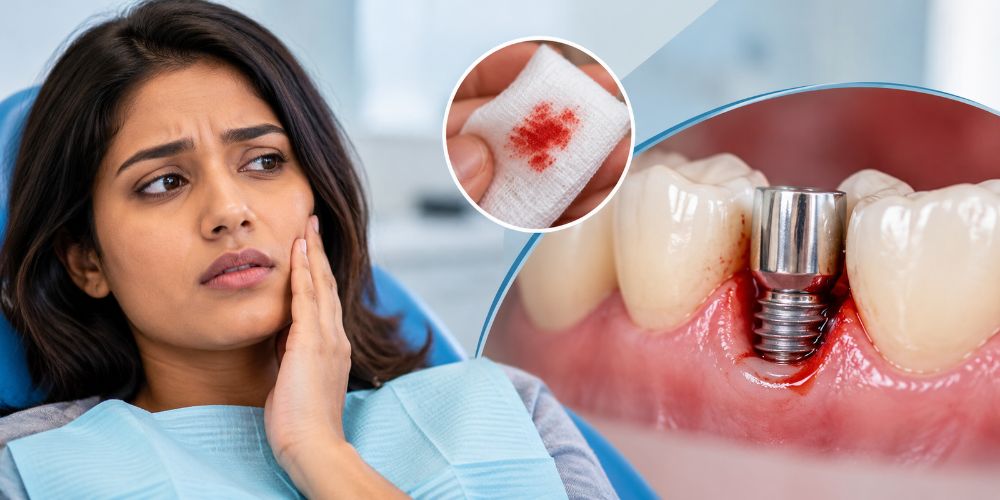
Is Bleeding Normal After Dental Implant Surgery? A Dentist Explains
Getting dental implants can be an important step towards restoring your smile, chewing ability, and confidence. However, after the procedure, it is natural to have questions about the healing process. One common concern is bleeding around the implant site.
So, is bleeding normal after dental implant surgery? Yes, a small amount of bleeding or blood-tinged saliva is generally normal during the initial healing period. The gums have undergone a surgical procedure, and the body needs time to form a blood clot and begin repairing the affected tissues.
However, the amount of bleeding, how long it continues, and whether it improves over time are important factors to consider. Persistent or heavy bleeding should not be ignored.
At Dr Gupta’s Dental Implant & Orthodontic Centre, we believe that informed patients can make better decisions about their oral health. If you are exploring dental implants in Gurgaon or have recently undergone implant surgery, understanding what is normal and when to seek professional advice can help you manage recovery more confidently.
Is Bleeding Normal After Dental Implant Surgery?
Yes, mild bleeding is a common part of the initial recovery after dental implant placement. During the procedure, the dentist creates access through the gum tissue to place the implant into the jawbone. This can cause minor bleeding from the surrounding tissues.
You may notice:
- A few spots of blood around the surgical site.
- Slightly pink or blood-tinged saliva.
- Mild oozing during the first several hours after surgery.
- Occasional traces of blood during the early healing period.
Minor oozing may continue for approximately 24 hours, and sometimes a little longer depending on the procedure. Blood can mix with saliva, making the amount appear greater than it actually is.
The bleeding should gradually reduce rather than become heavier. Your dentist’s instructions may vary depending on whether you had a single implant, multiple implants, bone grafting, or another procedure.
If your mouth is filling with fresh blood, bleeding is continuous, or pressure does not control it, contact your dentist promptly. Heavy or uncontrolled bleeding requires urgent assessment.
How Long Does Bleeding Last After Dental Implant Surgery?
The duration of bleeding depends on the complexity of the surgery, your general health, medications, and how well the surgical site is protected.
Here is a general guide to what you may experience.
First Few Hours
Mild bleeding or oozing is common immediately after implant placement. Your dentist may place gauze over the surgical area to help a blood clot form.
Follow the instructions provided by your dental team and avoid repeatedly removing the gauze to check the wound.
First 24 Hours
You may notice slight blood staining in your saliva. This usually becomes less noticeable as healing progresses.
Avoid disturbing the surgical site, rinsing vigorously, spitting forcefully, or using a straw during the initial period recommended by your dentist.
After 24 to 48 Hours
Fresh bleeding should generally have settled or reduced significantly. A small trace of blood may occasionally appear, particularly if the area is disturbed, but ongoing fresh bleeding deserves attention.
If bleeding continues, returns repeatedly, or increases instead of improving, contact your dentist for advice.
Important: These timeframes are general guidance, not a guarantee. Your dentist’s individual postoperative instructions should take priority.
What Causes Bleeding After Dental Implant Surgery?
Several factors can contribute to bleeding after implant placement.
1. Normal Surgical Tissue Healing
The gums contain many small blood vessels. When these tissues are treated during surgery, minor bleeding can occur. The body responds by forming a clot that protects the wound while healing begins.
2. Disturbing the Surgical Site
Touching the wound with your tongue or fingers, pulling at stitches, vigorous rinsing, or forceful spitting can disturb the developing clot and trigger further bleeding.
3. Eating Hard or Hot Foods
Hard foods may put pressure on the surgical area, while very hot foods and drinks can encourage bleeding in some patients. Soft, cool or lukewarm foods are generally more suitable immediately after surgery.
4. Strenuous Physical Activity
Heavy lifting, intense workouts, or other strenuous activities soon after surgery may increase blood flow and contribute to renewed bleeding.
5. Certain Medications or Medical Conditions
Blood-thinning medicines, some bleeding disorders, and certain medical conditions may increase the risk of prolonged bleeding.
If you take anticoagulants or antiplatelet medicines, inform your dentist before treatment. Do not stop or change prescribed medication on your own. Your dentist and prescribing doctor can advise you on the safest approach.
6. More Extensive Dental Procedures
Patients who undergo multiple implant placements, bone grafting, or additional surgical procedures may experience a different recovery pattern from someone receiving a single implant.
The extent of the procedure influences postoperative care and the expected healing process.
How to Stop Minor Bleeding After Dental Implant Surgery
If you notice mild bleeding after surgery, the following steps may help.
Step 1: Stay Calm and Sit Upright
Sit down and keep your head elevated. Avoid unnecessary movement and give the surgical site time to settle.
Step 2: Apply Firm, Continuous Pressure
If your dentist has provided sterile gauze, place it directly over the bleeding area as instructed. Bite down firmly and maintain continuous pressure for around 20 to 30 minutes, unless your dental team has advised a different duration.
Avoid lifting the gauze repeatedly to check whether the bleeding has stopped. If bleeding persists, follow your dentist’s instructions and contact the clinic.
Step 3: Avoid Rinsing or Spitting Forcefully
During the first 24 hours, avoid vigorous mouth rinsing and forceful spitting unless your dentist gives different instructions. These actions may disturb the clot and restart bleeding.
Step 4: Avoid Hot Food and Drinks
Choose soft foods that do not require much chewing. Allow food and beverages to cool to a comfortable temperature before consuming them.
Step 5: Rest and Avoid Strenuous Activity
Take it easy for the rest of the day. Avoid intense exercise, heavy lifting, and activities that put unnecessary strain on your body during the early recovery period.
Step 6: Follow Your Dentist’s Instructions
Take prescribed medicines exactly as directed. Begin rinsing and cleaning the surgical area only as advised by your dentist.
Do not put aspirin tablets, powders, herbal remedies, or other substances directly on the wound to stop bleeding.
When to seek help: If fresh bleeding is heavy, your mouth fills rapidly with blood, or firm pressure does not control the bleeding, contact your dental surgeon urgently. If bleeding is severe or accompanied by difficulty breathing or swallowing, seek emergency medical care immediately.
When Is Bleeding After Dental Implant Surgery a Warning Sign?
Although minor bleeding is common, certain symptoms require prompt attention.
Contact your dentist if you experience:
- Bleeding that continues despite applying firm pressure.
- Fresh bleeding that repeatedly restarts.
- Increasing pain rather than gradual improvement.
- Swelling that becomes progressively worse.
- Pus, an unpleasant taste, or other signs that may suggest infection.
- Fever or feeling generally unwell alongside worsening oral symptoms.
Heavy bleeding that does not stop should be treated as urgent rather than left until your next routine appointment.
Difficulty breathing or swallowing, rapidly increasing swelling around the mouth or neck, or signs of significant blood loss require immediate emergency assessment.
These symptoms do not necessarily mean that the implant has failed. However, they need proper evaluation to identify the cause and determine whether treatment is necessary.
How to Care for Your Mouth After Dental Implant Surgery
Good aftercare helps protect the surgical site and supports healing.
Maintain Oral Hygiene Carefully
Keep your mouth clean, but do not brush directly over the surgical wound until your dentist says it is safe. Continue cleaning other teeth gently as instructed.
Your dentist may recommend a specific mouthwash or saltwater rinse after the initial healing period. Do not begin vigorous rinsing immediately after surgery.
Choose Soft Foods
For the first few days, consider foods such as:
- Soft khichdi that has cooled to a comfortable temperature.
- Plain yoghurt.
- Mashed potatoes.
- Soft scrambled eggs.
- Smooth soups that are not hot.
- Well-cooked, soft vegetables.
Choose foods appropriate to your dietary needs and avoid chewing directly over the surgical site.
Avoid Smoking and Tobacco
Smoking and tobacco use can interfere with healing and increase the risk of complications. Avoid them during recovery and follow your dentist’s advice on how long to abstain.
Take Medicines as Prescribed
Follow the prescribed medication schedule. Do not add painkillers, blood-thinning medicines, or herbal products without checking whether they are appropriate for you.
Attend Follow-Up Appointments
Follow-up visits allow your dentist to assess the gums, check the surgical site, and monitor implant healing. Do not skip an appointment simply because the bleeding has stopped.
Does Bleeding Mean Your Dental Implant Is Failing?
Not necessarily.
Minor bleeding immediately after surgery is generally part of the normal healing process. By itself, it does not indicate implant failure.
However, persistent bleeding accompanied by increasing pain, significant swelling, pus, or other concerning symptoms should be evaluated by a dentist.
Dental implant healing involves more than the gum tissue closing over the surgical site. The implant also needs time to integrate with the surrounding jawbone. This process may take several months, depending on the individual and the treatment performed.
Avoid judging the success of your implant based on one symptom alone. A clinical examination is the appropriate way to assess concerns about healing or implant stability.
Who May Need Extra Attention During Recovery?
Some patients may need additional monitoring after dental implant surgery.
These include people who:
- Take anticoagulants or antiplatelet medicines.
- Have a known bleeding disorder.
- Have diabetes that is not well controlled.
- Smoke or use tobacco.
- Have undergone extensive implant surgery or bone grafting.
- Have a history of delayed wound healing.
Having one of these factors does not automatically mean you cannot receive dental implants. It means your dentist may need to plan treatment and postoperative care according to your individual circumstances.
If you are considering dental implants in Gurgaon, discuss your medical history, existing medicines, and previous dental complications during your consultation.
What to Expect When Getting Dental Implants in Gurgaon
Choosing dental implant treatment involves more than replacing a missing tooth. Patients should understand the procedure, expected healing time, possible complications, and long-term maintenance requirements.
At Dr Gupta’s Dental Implant & Orthodontic Centre, patients considering implant treatment should discuss the following with their treating dentist:
- Whether dental implants are suitable for their oral health and medical history.
- Whether imaging or additional procedures may be required.
- What to expect during surgery and recovery.
- How to manage bleeding, swelling, and discomfort after treatment.
- Which symptoms require an urgent dental review.
- How follow-up appointments and long-term maintenance will be managed.
A personalised consultation helps patients understand the available treatment options and make informed decisions.
If you are researching dental implants in Gurgaon, choose a qualified dental professional who explains both the benefits and the possible risks of treatment.
Frequently Asked Questions
1. Is bleeding normal the day after dental implant surgery?
A small trace of blood in the saliva may occur during the early healing period. However, fresh or ongoing bleeding the following day should be assessed if it persists, recurs, or increases. Contact your dentist if you are concerned.
2. How much bleeding is normal after a dental implant?
A small amount of oozing or blood-tinged saliva is generally expected. Continuous bleeding, blood pooling in the mouth, or bleeding that does not respond to firm pressure is not normal and requires prompt attention.
3. Can I rinse my mouth after dental implant surgery?
Avoid vigorous rinsing during the first 24 hours unless your dentist instructs otherwise. After that, follow the recommended cleaning routine, which may include gentle saltwater rinses or a prescribed mouthwash.
4. Can brushing cause bleeding around a new implant?
Brushing directly over the surgical wound too early may disturb healing tissue and cause bleeding. Clean the other teeth gently and follow your dentist’s advice about when and how to clean the implant site.
5. Is bleeding normal after dental implant stitches?
A tiny amount of blood may appear if the gum tissue is irritated, but persistent bleeding around stitches should not be ignored. Do not pull or adjust the stitches yourself. Contact your dentist if bleeding continues.
6. Can I sleep after dental implant surgery if there is slight bleeding?
Follow your dentist’s instructions and ensure that any bleeding is controlled before going to sleep. Keep your head slightly elevated if advised. Do not go to sleep with uncontrolled bleeding or ignore symptoms that require urgent attention.
7. Does bleeding mean my dental implant has an infection?
No. Minor bleeding immediately after surgery does not automatically indicate infection. Persistent bleeding accompanied by increasing pain, worsening swelling, fever, or pus warrants professional assessment.
8. When should I contact my dentist about bleeding?
Contact your dentist promptly if bleeding is heavy, continues despite firm pressure, repeatedly restarts, or becomes worse. Seek emergency care for severe uncontrolled bleeding or any breathing or swallowing difficulty.
9. Can people with diabetes get dental implants?
Some people with diabetes can receive dental implants, but blood glucose control and overall health are important considerations. A qualified dentist can assess individual suitability and coordinate care with the patient’s medical practitioner when appropriate.
10. Where can I learn more about dental implants in Gurgaon?
A consultation with a qualified dental professional can help you understand implant suitability, treatment options, expected recovery, and aftercare. Dr Gupta’s Dental Implant & Orthodontic Centre can be contacted directly for information about its dental implant consultation services.
Conclusion
Mild bleeding after dental implant surgery is usually part of the body’s normal response to treatment. It should gradually reduce as the initial healing process begins.
The most important steps are to protect the surgical site, apply pressure as instructed, avoid disturbing the wound, and follow your dentist’s postoperative advice. Heavy or persistent bleeding, especially when accompanied by worsening symptoms, requires prompt professional attention.
If you have recently undergone implant surgery or are considering dental implants in Gurgaon, understanding the recovery process can help you recognise normal healing and identify when you need assistance.
Dr Gupta’s Dental Implant & Orthodontic Centre encourages patients to seek individual dental advice rather than relying on general online information to diagnose postoperative symptoms.
Medically Reviewed By:
Dr. Ankur Gupta
BDS, MDS-Orthodontics
Haryana Dental Council Registration No. 1378A
Dr. Ankita Gupta
BDS, Implantologist
Haryana Dental Council Registration No. 2546A