

Root Canal: Procedure, What It Treats & Recovery
Dental pain can significantly affect your daily life, making it difficult to eat, sleep, or concentrate on work. One of the most effective ways to save a severely damaged or infected tooth is through a Root Canal Treatment. Despite common misconceptions, modern root canal procedures are comfortable, highly successful, and designed to relieve pain rather than cause it.
At Gupta Dental Clinic, we provide advanced and patient-friendly Root Canal Treatment In Gurgaon, helping patients preserve their natural teeth while restoring oral health and comfort.
In this comprehensive guide, we will explain what a root canal is, what conditions it treats, how the procedure is performed, and what you can expect during recovery.
What Is a Root Canal Treatment?
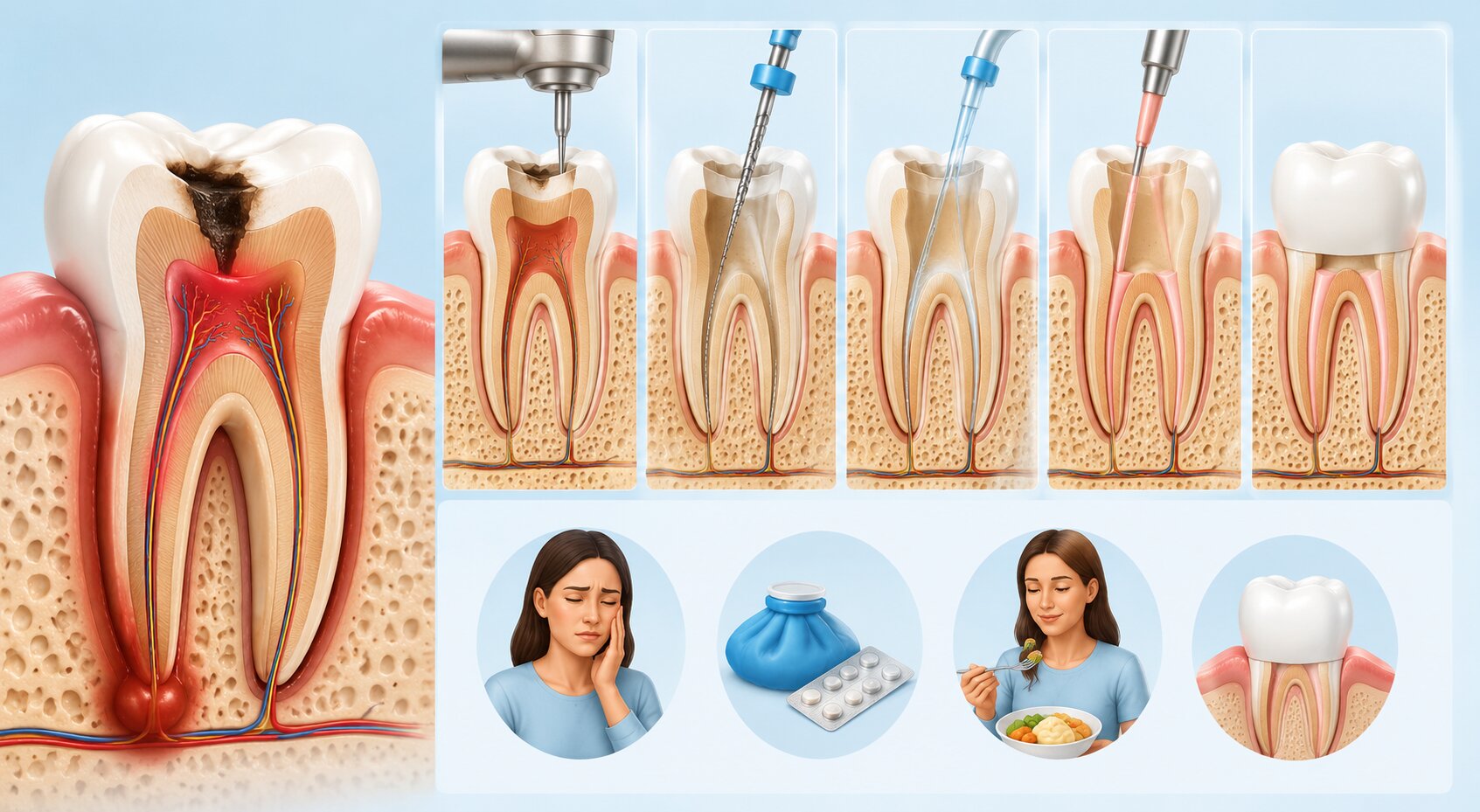
A Root Canal Treatment (RCT) is a dental procedure used to remove infected or damaged tissue from inside a tooth. The innermost part of the tooth contains soft tissue known as the dental pulp, which consists of nerves, blood vessels, and connective tissues.
When this pulp becomes infected or inflamed due to deep decay, trauma, cracks, or repeated dental procedures, it can cause severe pain and lead to serious oral health complications if left untreated.
During a root canal procedure, the infected pulp is carefully removed, the root canals are cleaned and disinfected, and the tooth is sealed to prevent future infection.
The primary goal of Root Canal Treatment is to save the natural tooth and eliminate pain without requiring extraction.
Why Is Root Canal Treatment Needed?
A root canal becomes necessary when bacteria penetrate the tooth’s inner pulp chamber. This can occur due to several reasons, including:
- Deep dental cavities
- Cracked or fractured teeth
- Severe tooth trauma
- Repeated dental procedures on the same tooth
- Untreated tooth decay
- Gum disease-related infections
Without timely treatment, the infection can spread to surrounding tissues, causing abscesses, bone loss, and even tooth loss.
Signs You May Need a Root Canal
Many patients ignore early warning signs until the pain becomes unbearable. Recognizing symptoms early can help prevent further complications.
Common signs include:
Persistent Tooth Pain
Continuous pain while eating, drinking, or even at rest can indicate pulp infection.
Sensitivity to Hot and Cold
Lingering sensitivity after consuming hot tea, coffee, or cold beverages may signal nerve damage inside the tooth.
Swollen Gums
Swelling or tenderness around a tooth often indicates an underlying infection.
Tooth Discoloration
A darkened or grey-colored tooth can suggest damage to the pulp tissue.
Pain While Chewing
Pressure-related pain when biting or chewing is another common symptom.
Gum Abscess
A pimple-like swelling on the gums may indicate an abscess caused by bacterial infection.
If you experience any of these symptoms, seeking professional evaluation at Gupta Dental Clinic for Root Canal Treatment In Gurgaon can help save your tooth before the condition worsens.
What Conditions Does Root Canal Treatment Treat?
Root canal therapy addresses several dental issues, including:
1. Infected Dental Pulp
When bacteria enter the pulp chamber, they cause inflammation and infection. Root canal treatment removes the infected tissue and prevents further spread.
2. Deep Tooth Decay
Advanced cavities that reach the pulp often require root canal therapy to preserve the tooth structure.
3. Dental Abscess
An abscess is a pocket of pus resulting from bacterial infection. Root canal treatment removes the source of infection and promotes healing.
4. Cracked Teeth
Cracks can expose the pulp to bacteria. Root canal therapy helps protect the tooth from infection and strengthens its longevity.
5. Traumatic Dental Injuries
Sports injuries, accidents, or falls can damage the tooth pulp even without visible fractures. Root canal treatment helps restore affected teeth.
Root Canal Treatment Procedure: Step-by-Step
One of the biggest concerns patients have is understanding what happens during the procedure. Modern dentistry has made root canal treatment far more comfortable than most people expect.
Here is a step-by-step overview:
Step 1: Comprehensive Examination
The dentist examines the affected tooth and may take digital X-rays to assess the extent of infection and determine the condition of the root canals.
Step 2: Local Anesthesia
A local anesthetic is administered to ensure the procedure is painless and comfortable.
Step 3: Isolation of the Tooth
A dental dam is placed around the tooth to keep it dry and free from saliva during treatment.
Step 4: Access Opening
A small opening is created in the crown of the tooth to access the infected pulp.
Step 5: Removal of Infected Pulp
Specialized instruments are used to remove the infected or damaged pulp tissue from the root canals.
Step 6: Cleaning and Shaping
The canals are thoroughly cleaned, disinfected, and shaped to prepare them for filling.
Step 7: Filling the Canals
The cleaned canals are filled with a biocompatible material called gutta-percha to seal the space and prevent reinfection.
Step 8: Temporary or Permanent Restoration
A filling is placed, and in many cases, a dental crown is recommended to protect and strengthen the treated tooth.
At Gupta Dental Clinic, advanced equipment and modern techniques ensure efficient and comfortable Root Canal Treatment In Gurgaon with high success rates.
Is Root Canal Treatment Painful?
This is one of the most frequently asked questions.
Contrary to popular belief, modern Root Canal Treatment is generally no more uncomfortable than getting a routine filling. Local anesthesia effectively numbs the area, ensuring minimal discomfort during the procedure.
Most patients actually seek root canal treatment because it relieves severe tooth pain caused by infection.
After treatment, mild soreness may occur for a few days, but this can usually be managed with prescribed medications.
How Long Does Root Canal Treatment Take?
The duration depends on several factors:
- Complexity of the tooth
- Number of root canals
- Severity of infection
- Need for additional restoration
In most cases, treatment can be completed in one or two appointments lasting between 60 and 90 minutes each.
Complex cases may require additional visits.
Recovery After Root Canal Treatment
Recovery is usually smooth and straightforward.
First 24 Hours
Patients may experience mild tenderness or sensitivity around the treated tooth.
First Few Days
Minor discomfort while chewing is normal and typically subsides within a few days.
One Week
Most patients return completely to normal activities without restrictions.
Recovery Tips for Faster Healing
To ensure optimal healing after your Root Canal Treatment, follow these recommendations:
Avoid Hard Foods
Do not chew on the treated tooth until your permanent restoration is completed.
Maintain Good Oral Hygiene
Brush twice daily and floss regularly to prevent future infections.
Take Prescribed Medications
Follow your dentist’s instructions regarding antibiotics or pain relievers.
Attend Follow-Up Appointments
Regular dental visits ensure proper healing and long-term success.
Consider a Dental Crown
A crown strengthens the treated tooth and reduces the risk of fracture.
Benefits of Root Canal Treatment
Root canal therapy offers numerous advantages over tooth extraction.
Saves Your Natural Tooth
Preserving the natural tooth helps maintain proper chewing function and alignment.
Eliminates Pain
The infected pulp causing discomfort is removed, providing lasting relief.
Prevents Spread of Infection
Treatment stops bacteria from affecting surrounding teeth and tissues.
Restores Function
Patients can chew, speak, and smile comfortably after treatment.
Cost-Effective Long-Term Solution
Saving a natural tooth often proves more affordable than extraction followed by replacement options such as implants or bridges.
Root Canal Treatment vs Tooth Extraction
Many patients wonder whether they should save the tooth or remove it.
Root Canal Treatment
- Preserves natural tooth structure
- Maintains chewing efficiency
- Prevents neighboring teeth from shifting
- Provides long-term functionality
Tooth Extraction
- Removes the tooth completely
- May require implants or bridges
- Can affect jawbone health
- Often involves additional costs
Whenever possible, dentists recommend saving the natural tooth through Root Canal Treatment.
Success Rate of Root Canal Treatment
Root canal procedures have a very high success rate when performed by experienced dental professionals.
With proper oral hygiene and regular dental checkups, a treated tooth can last for decades and often for a lifetime.
The success of treatment depends on:
- Timely intervention
- Proper cleaning and sealing of canals
- Quality restoration
- Good oral hygiene practices
How to Prevent Needing a Root Canal
Although root canals are highly effective, prevention is always better.
You can reduce your risk by:
- Brushing twice daily with fluoride toothpaste
- Flossing every day
- Limiting sugary foods and drinks
- Wearing a mouthguard during sports
- Visiting your dentist regularly
- Treating cavities early
Routine dental examinations help detect problems before they become severe enough to require root canal therapy.
Why Choose Gupta Dental Clinic for Root Canal Treatment In Gurgaon?
Choosing the right dental clinic is essential for successful treatment and a comfortable experience.
At Gupta Dental Clinic, we focus on providing high-quality dental care using advanced technology and evidence-based treatment approaches.
Our advantages include:
- Experienced dental professionals
- Advanced diagnostic tools
- Modern root canal techniques
- Patient-centric care
- Comfortable treatment environment
- Personalized treatment plans
- Strict infection control protocols
We are committed to helping patients receive effective and affordable Root Canal Treatment In Gurgaon while ensuring long-term oral health.
Frequently Asked Questions (FAQs)
Can I eat after a root canal?
Yes, but it is advisable to wait until the numbness wears off and avoid hard foods for a few days.
How many visits are required?
Most root canal treatments are completed within one or two appointments.
Will I need a crown after treatment?
In many cases, especially for back teeth, a crown is recommended to protect the tooth from fractures.
Is root canal treatment safe?
Yes. It is a well-established and highly successful procedure performed routinely worldwide.
Can a root canal-treated tooth get infected again?
Although uncommon, reinfection can occur if oral hygiene is poor or the restoration becomes damaged. Regular dental checkups help prevent this.
Conclusion
A Root Canal Treatment is one of the most effective ways to save a damaged or infected tooth while eliminating pain and restoring oral function. Modern root canal procedures are safe, comfortable, and highly successful when performed by experienced dental professionals.
If you are experiencing persistent tooth pain, sensitivity, swelling, or signs of infection, do not delay treatment. Early intervention can save your natural tooth and prevent more serious complications.
For expert care and advanced Root Canal Treatment In Gurgaon, trust Gupta Dental Clinic to provide personalized treatment, compassionate care, and lasting dental solutions for a healthy, confident smile.